Harmony is preparing to roll back nearly a week of blockchain history after an exploit created roughly 4 billion unauthorized ONE tokens, triggering a sharp price crash.

 ONE$0.002477-0.30%
Harmony is preparing for one of the most consequential network interventions in its history, with the blockchain set to roll back nearly a week of activity to erase billions of unauthorized ONE tokens created during a recent exploit.
The rollback will restore the network to its state at 23:25 UTC on August 11, before the unauthorized minting occurred. Harmony has said validators are preparing clean databases for the affected shards while the network remains paused.
The decision comes after an attacker exploited a flaw that allowed roughly 4 billion ONE tokens to be created without authorization. The additional supply represented around 26% of the token's pre-exploit supply, triggering a sharp sell-off and sending ONE to a new all-time low.
Harmony's rollback is designed to remove the unauthorized token creation by returning the blockchain to a point before the exploit.
The first unauthorized mint reportedly occurred shortly after the selected August 11 checkpoint. By going back to an earlier state, Harmony can eliminate the forged tokens without attempting to identify and remove them individually from every wallet they subsequently reached.
Harmony confirmed the rollback plan through its official communication on X.
The approach is considerably more disruptive than simply freezing the affected addresses. A rollback means legitimate activity that occurred after the selected checkpoint will also disappear from the chain's history.
That includes transactions, swaps and staking activity made during the affected period.
Harmony is therefore working with validators, exchanges and bridge operators to coordinate the restart and reduce the impact on users.
The incident initially came to light after on-chain researchers identified the unauthorized creation of approximately 4 billion ONE.
The newly created tokens represented roughly one-quarter of the supply that existed before the exploit. Reports indicated that a large portion of the tokens quickly moved toward exchanges, increasing concerns that the additional supply could be sold into the market.
The impact was immediate.
ONE fell to an all-time low of approximately $0.0005735 on August 12, according to market data reported at the time.
The price subsequently recovered from that low, but the damage to investor confidence remained. The rollback is now intended to remove the underlying source of the dilution rather than simply attempt to contain the tokens after they were created.
A token burn might appear to be the simpler solution, but the problem becomes much more complicated once unauthorized tokens have moved between wallets, exchanges and liquidity pools.
If Harmony attempted to identify and burn every affected token individually, it could potentially remove assets that are no longer controlled by the attacker.
Some of the forged ONE reportedly reached exchange-related wallets, meaning that tracing the tokens does not necessarily establish that every current holder is connected to the exploit.
A blacklist would create another problem: the unauthorized tokens would technically remain part of the blockchain's history and supply structure.
The rollback instead applies a single cutoff point to the entire network.
Everything after that point is discarded, regardless of whether an individual transaction was legitimate or connected to the exploit.
That decision comes with an obvious trade-off.
While the rollback can remove the unauthorized minting, it also means legitimate transactions made after the August 11 checkpoint will no longer exist on the restored chain.
For users, that could mean having to reconcile deposits, withdrawals, swaps, staking activity and other transactions made during the period being removed.
This is why the restart requires coordination across the broader Harmony ecosystem. Exchanges and bridges need to understand the restored chain state before normal deposits and withdrawals can resume.
The rollback therefore represents more than a technical fix. It is effectively a decision to sacrifice a portion of recent blockchain history to restore the network to a state before the exploit.
The rollback removes the unauthorized supply from the affected chain history, but it does not automatically restore market confidence.
ONE was trading around $0.00072 in the market snapshot referenced in the original report, leaving Harmony's market capitalization at roughly $10.6 million.
The token's collapse reflects the severity of the exploit. Before the incident, Harmony had approximately 15 billion ONE in existence. The unauthorized creation of another 4 billion represented an enormous potential dilution for existing holders.
Whether the rollback produces a lasting recovery will depend partly on whether exchanges, bridges and other infrastructure providers resume normal support and whether traders regain confidence in the network.

The latest incident is particularly damaging because Harmony has already experienced a major security breach.
In June 2022, its Horizon cross-chain bridge was exploited for nearly $100 million in cryptocurrency. The FBI later attributed that attack to North Korean state-backed hacking groups.
The latest incident is different in nature because the attacker was able to create a new ONE rather than simply steal existing assets.
That distinction makes the rollback especially significant. Harmony is effectively attempting to restore the economic state of the network to before the unauthorized issuance.
Harmony has not provided a definitive public restart time in the material available for this report.
The immediate priority is completing the clean database preparations, coordinating with validators and ensuring exchanges and bridges understand the restored chain state.
The success of the rollback will therefore be measured on two fronts: whether the unauthorized ONE supply is successfully removed and whether the ecosystem can resume normal operations without creating further discrepancies.
For investors, the bigger question is confidence.
The rollback can erase the unauthorized tokens from the chain's history, but it cannot erase the fact that the exploit happened. Nor can it automatically restore the value lost by ONE holders during the crash.
Harmony now has to demonstrate that the vulnerability has been addressed, that the restored chain is secure and that exchanges and infrastructure providers are comfortable reopening services.
The incident highlights an uncomfortable reality of blockchain networks: immutability is not always absolute when the alternative is allowing a catastrophic exploit to permanently alter a token's supply.
Harmony has chosen to sacrifice nearly a week of its own history to undo the damage.
The coming days will show whether that extraordinary intervention is enough to restore confidence in ONE and the wider Harmony ecosystem.
Related: For the background on how the incident began, read Harmony $ONE exploit: 4 billion tokens minted as price crashes, which covers the unauthorized minting and the initial collapse in ONE's price.

Blockchain.com is reportedly targeting a $500 million U.S. IPO at a valuation of $4 billion to $6 billion, well below its $14 billion peak in 2022.
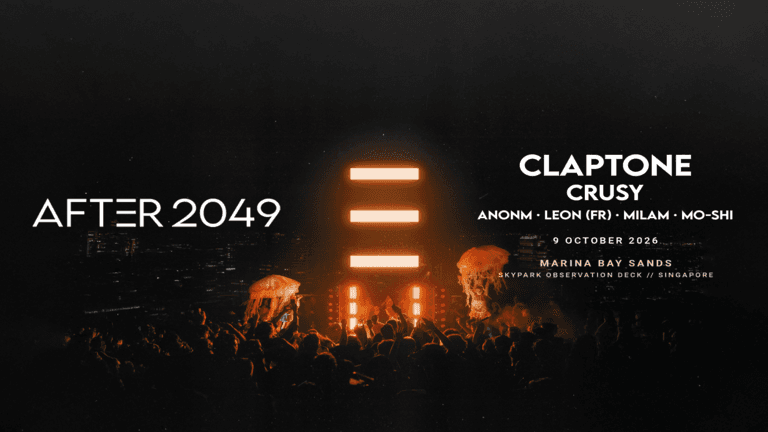
Closing out TOKEN2049, the world’s largest digital assets conference series, AFTER 2049 takes over the 57th floor of the iconic Marina Bay Sands SkyPark Observation Deck.
NEAR Protocol fell 11.6% despite new Ondo tokenized stocks, confidential Hyperliquid perps and a coming NEAR ETF as broader market pressure returned.
 NEAR
NEAR

