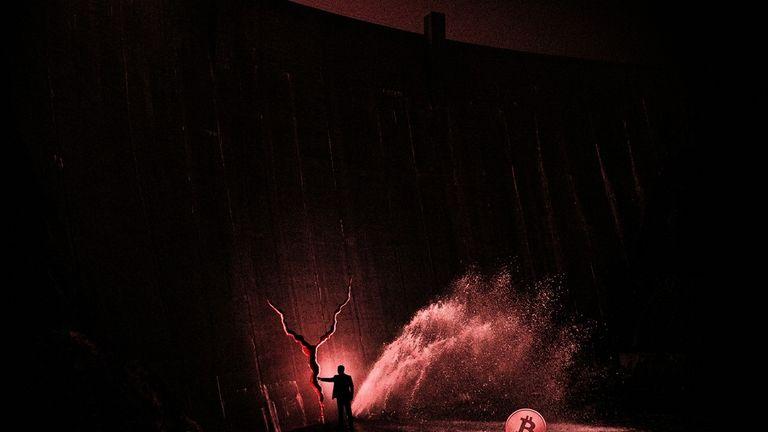
JPMorgan ties miner relief to bitcoin holding above $85K production cost
JPMorgan analysts led by Nikolaos Panigirtzoglou said bitcoin's move above $85K production cost could ease miner selling if sustained, after 280 days below the

By Shitij GuptaResearcher

Bitcoin's move above JPMorgan's estimated $85,000 production cost could ease miner selling pressure if the level holds, the bank's analysts said in a Wednesday report led by Nikolaos Panigirtzoglou. At the time of writing, bitcoin was trading around $84,100, back below the line.
280 days below the line
Bitcoin had spent 280 days below its estimated average production cost before the week's rally took it above the level, per the JPMorgan note. The team frames production cost as a historical "soft floor" for the price, not a hard floor.
A sustained hold above $85,000 would matter because miner incentives shift once the price clears it. When bitcoin trades below production cost for an extended stretch, higher-cost miners can become unprofitable and respond by selling more bitcoin, shutting down machines, or leaving the market, the analysts said.
How miners already responded
The 280-day stretch was visible in miner behavior before the rally. Per JPMorgan, miners worked through the run by relocating machines to regions with cheaper power, selling older rigs, placing equipment on standby, and scrapping or recycling less efficient hardware.
The last comparable stretch below production cost was 2018, when bitcoin stayed below it for about 224 days. Higher-cost miners shut down in that episode, with network hash rate and mining difficulty falling as a result. The same adjustment mechanism still applies, the analysts argued, even though the mining industry is now larger and more industrialised than it was then.
The AI shift running in parallel
Hash rate has fallen about 19% from its October peak, while mining difficulty has declined roughly 15%, per JPMorgan, as miners move capacity toward AI computing. Many publicly traded miners have lowered hash-rate growth forecasts as long-term AI contracts accelerate the shift.
AI firms are paying significant premiums for electricity and data centres already equipped for intensive compute, and the revenue is more predictable, more stable and higher per megawatt than mining income, per the note. Publicly listed miners are consequently losing share of bitcoin mining activity to privately owned and sovereign miners, the analysts said.
The level that breaks the thesis
JPMorgan's bottom line is conditional: a sustained move above production cost should relieve miners and reduce the risk of forced selling. The level that would invalidate the relief thesis is bitcoin back below $85,000 long enough to push higher-cost operators back into the unprofitable bucket.
At the time of writing, the price was around $84,100, roughly $900 below the threshold. The U.S. Senate's failure to advance the Clarity Act did not derail the week's rally, with JPMorgan attributing the move to investors closing bearish positions rather than to the policy outcome.

Shitij Gupta
Shitij Gupta is an analyst and a researcher at Altcoin Buzz. Shitij has a vast banking experience at companies such as Morgan Stanley, ETRADE and UBS. He primarily built banking and lending products, Robo Advising solutions and Mutual Fund offerings for High Net worth clients. After his stint on Wall Street, Shitij runs a family office fund and consults businesses on strategy and execution.
More from ShitijNext up
Why Is Everyone Talking About XRP, 401(k)s and Gopax Today?
Binance hackers swapped about $50 million of stolen XRP for bitcoin, the DOL's final 401(k) rule reached the White House, and Gopax halted withdrawals.
 XRP
 BTC