AltcoinBuzzAltcoinBuzz
Subscribe
  • Crypto News
  • Crypto Research
  • Technical Analysis
AltcoinBuzzAltcoinBuzz

An independent digital media outlet delivering crypto research, news, and technical analysis to a community of 600,000+ users.

Follow us on:

Discover

  • Crypto Research
  • Crypto News
  • Technical Analysis
  • Key Opinions
  • Upcoming Launches

Categories

  • Bitcoin BTC
  • RWA
  • Technology
  • Altcoins
  • Regulation

Company

  • Affiliates
  • Partners & Sponsors
  • Careers
  • Contact
  • Terms of Use
  • Subscription Terms
  • About the ALTCOINBUZZ
  • Privacy Policy
  • Contact ALTCOINBUZZ
  • Advertise with us

Copyright 2026 ALTCOINBUZZ. All rights reserved.Something is buzzzzzzzing.
HomeCrypto NewsSolana governance proposals could reduce SOL supply and increase token burns
Crypto NewsAltcoinsRegulation

Solana governance proposals could reduce SOL supply and increase token burns

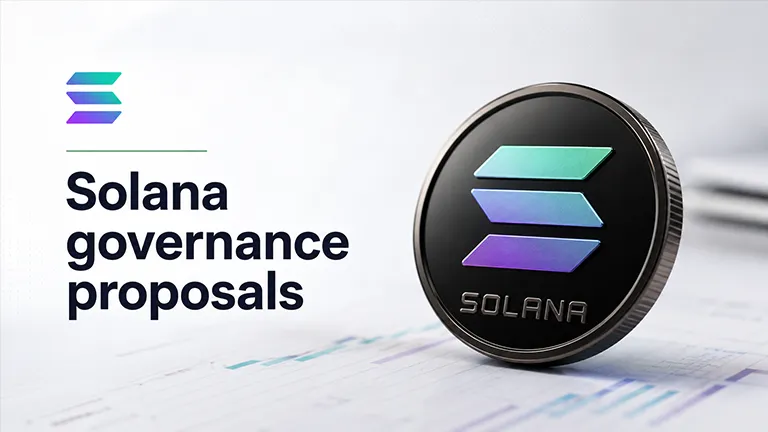
Two new Solana governance proposals have entered the discussion phase. If approved, they could reduce SOL issuance, increase token burns, and change the network's long-term token economics.
BBikash Deka•Aug 7, 2026
Solana governance proposals SGP-0002 and SGP-0003 could reduce SOL supply and increase token burns.
MentionedSOL$73.71+0.70%

Two important Solana governance proposals have reached a major milestone after gaining enough community support to move into the official discussion phase.

The proposals, SGP-0002 and SGP-0003, aim to reduce the future supply of SOL and increase the amount of tokens burned through network activity. Both proposals have now crossed the required 15% stake support threshold.

The discussion period will continue until August 22, after which the Solana community will vote on whether to approve the proposed changes. Even if the proposals pass, they will still require implementation before any changes take effect on the network.

Solana Whales Push the Proposals Forward

Several major Solana ecosystem participants have backed the proposals.

Blockchain infrastructure provider Helius supported both proposals with around 16 million SOL, while decentralized exchange Jupiter contributed approximately 12.47 million SOL in support.

Their backing helped both proposals move into the discussion stage, but the final decision will still depend on a community governance vote.

Helius CEO Mert Mumtaz also described this milestone as only the first step before the final on-chain vote.

SGP-0002 Would Reduce SOL Inflation Faster

The first proposal, SGP-0002, focuses on reducing the rate at which new SOL tokens are created.

If approved, Solana's annual disinflation rate would increase from 15% to 30%. However, the network's long-term inflation target of 1.5% would remain unchanged.

According to the proposal, this change would allow Solana to reach its target inflation rate in about 2.8 years instead of the current estimate of 5.7 years.

Over six years, the proposal estimates that around 18.9 million fewer SOL would enter circulation compared to the current schedule.

The proposal also expects staking rewards to gradually decline as new token issuance slows.

For example, under one projected scenario:

  • Staking yield starts at 5.84%
  • Falls to 4.34% after one year
  • Drops to 3% after two years
  • Reaches around 2.25% after three years

The proposal notes that these figures are estimates and do not include additional income sources such as validator commissions, MEV rewards, or block rewards.

Some Validators Could Face Lower Profits

Lower token issuance may also affect validator earnings.

The proposal estimates that more validators could become unprofitable over time as staking rewards decline. However, the exact impact will depend on factors such as SOL's market price, operating costs, validator commissions, and network activity.

Supporters argue that reducing inflation could make SOL more scarce over the long term, while critics believe lower rewards may discourage smaller validators from participating.

SGP-0003 Would Increase SOL Token Burns

The second proposal, SGP-0003, focuses on changing how Solana handles transaction fees.

Currently, every transaction includes a 5,000-lamport base fee. Half of that fee is burned, while the other half is paid to the validator processing the transaction.

Under the new proposal:

  • Validators would receive a 2,500-lamport inclusion fee.
  • A new resource-based fee would be introduced.
  • 100% of the resource fee would be burned.
  • Priority fees would continue going to validators.

Instead of charging users the same fee for every transaction, the network would charge based on how many computing resources each transaction uses.

This approach is designed to make fees fairer while increasing the amount of SOL permanently removed from circulation.

Daily SOL Burns Could Rise Sharply

The proposal estimates a significant increase in the number of SOL tokens burned each day.

Using recent network activity as a reference, the authors estimate:

  • Around 1,500 to 1,800 SOL could be burned daily at the lowest fee level.
  • Daily burns could rise to 7,500 to 9,000 SOL at the highest fee setting.

For comparison, Solana currently burns roughly 648 SOL per day through transaction fees.

If the highest fee model is adopted, daily token burns could increase by more than 1,200%, potentially reducing SOL's circulating supply over time.

What Happens Next?

Both proposals remain in the discussion phase until August 22.

After that, Solana token holders will vote on whether the changes should move forward. If approved, developers will implement the upgrades before they become active on the network.

If both proposals pass, Solana could see lower inflation, higher token burns, and changes to validator rewards. Together, these reforms could significantly reshape the network's long-term token economics while strengthening SOL's scarcity.

The information discussed by Altcoin Buzz is not financial advice. This is for educational, entertainment, and informational purposes only. Any information or strategies are thoughts and opinions relevant to the accepted levels of risk tolerance of the writer/reviewers and their risk tolerance may be different than yours. We are not responsible for any losses that you may incur as a result of any investments directly or indirectly related to the information provided. Bitcoin and other cryptocurrencies are high-risk investments so please do your due diligence. This post is sponsored by Market Across.

Copyright Altcoin Buzz Pte Ltd.

Related

Bitcoin Red Team security audit finds nearly 5,000 vulnerabilities across open-source Bitcoin projects.
Bitcoin BTCPrivacy
Aug 7, 2026

Bitcoin Red Team finds nearly 5,000 potential security flaws

The Bitcoin Red Team found nearly 5,000 vulnerabilities across 390 open-source projects, highlighting the need for stronger Bitcoin software security.

BTC
Bikash Deka
July Jobs Report
Bitcoin BTCRegulation
Aug 7, 2026

July jobs report today: Will Bitcoin repeat last month's rally?

The U.S. will release its July jobs report today, and Bitcoin traders are watching closely. A weak jobs number could boost BTC again, while strong employment data may pressure the crypto market.

BTC
Bikash Deka
U.S. Senate delays the CLARITY Act vote until September, extending uncertainty for the crypto industry.
RegulationBitcoin BTC
Aug 7, 2026

Senate delays CLARITY Act vote until September, confirms Majority Leader Thune

The U.S. Senate has officially delayed the CLARITY Act vote until September. The decision extends uncertainty over crypto regulation and could keep Bitcoin and the broader crypto market on edge.

BTC
Saloni Rathi
mert
mert
Helius
@mert
·Follow

the proposals for solana deflation and solana burn have now passed the first step! next step is discussion phase followed by a final onchain vote let's make it happen and make SOL manlet money

mert
mert
Helius
@mert

this is now live the validator proposals for solana deflation and burn are now live if you're a validator and you care about these proposals pls vote onchain asap steps in next tweet

12:28 PM · Aug 5, 2026
753
Reply
Read 103 replies