Solana proposal could increase daily SOL burns to $650,000
A new Solana proposal could increase daily SOL burns from about $47,000 to as much as $650,000 while also reducing new token issuance.

By Bikash DekaAuthor
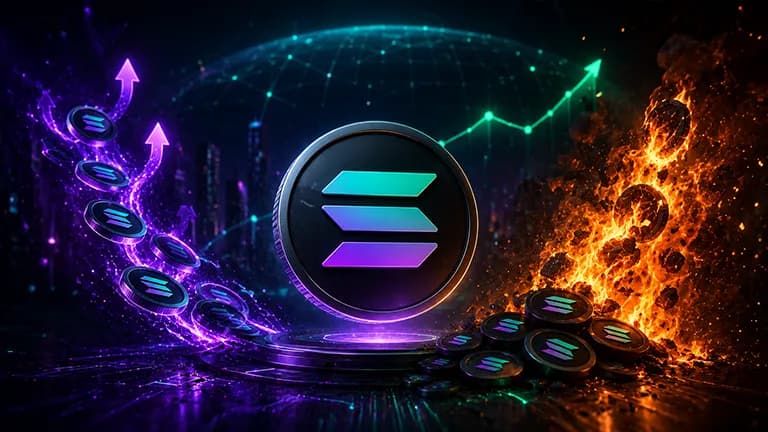
Solana validators have started backing a new proposal that could change how SOL enters and leaves circulation.
The proposal aims to burn more SOL through transaction fees while also reducing the number of new tokens created. Supporters believe the changes could strengthen Solana's token economy over time.
However, the proposal still needs more validator support before it can move to a network-wide vote.
New Fee Model Could Burn More SOL
One proposal, called SIMD-0553, would introduce resource-based transaction fees.
Instead of charging similar fees for every transaction, users would pay based on the amount of network resources they use.
If approved, daily SOL burns could increase from around 650 SOL to between 7,500 and 9,000 SOL. At current prices, that would raise the value of burned tokens from roughly $47,000 to as much as $650,000 per day.
Solana Also Wants Lower Inflation
A second proposal, SIMD-0550, focuses on reducing SOL inflation.
It would double Solana's annual disinflation rate from 15% to 30%. That change would allow Solana to reach its long-term inflation target of 1.5% by 2029 instead of 2032.
Over the next six years, the proposal could reduce new SOL issuance by about 18.9 million tokens.
Why Both Proposals Matter
The two proposals work together. SIMD-0553 would increase the number of SOL tokens removed from circulation.
At the same time, SIMD-0550 would reduce the number of new SOL tokens entering the market. Together, they could slow the growth of Solana's supply. Even so, SOL would not become deflationary right away.
The network currently creates around 60,000 SOL every day. Even if daily burns reach 9,000 SOL, new issuance would still be much higher.
Validator Support Is Still Growing
The proposals are not ready for a final vote yet. Validators first need to show enough support through Solana's governance process. So far, around 24.94 million SOL has been pledged in support. That represents about 5.8% of all staked SOL.
The proposal needs support equal to 15% of the network's staked SOL before it can move to the next stage. That means validators still need to signal nearly 40 million more SOL before the deadline on August 18.
Helius Leads the Support
Infrastructure company Helius is the biggest supporter so far.
The company has pledged more than 16 million SOL, making up most of the current support. Other validators, including Blueshift and Temporal Emerald, have also backed the proposal, although with much smaller amounts.
The engineer who created SIMD-0550 also works at Helius, adding more attention to the proposal.
What Validators Will Decide Next
The next two weeks will be important for Solana. If enough validators support the proposals before August 18, they will move to a formal vote.
If approved, Solana could burn more SOL every day while slowing the creation of new tokens. Many investors will watch the outcome closely, as the changes could affect SOL's long-term supply and market value.

Bikash Deka
Bikash Deka is a crypto and Web3 analyst and writer focused on making blockchain, cryptocurrency, and digital asset developments easier to understand. His work covers crypto markets, emerging blockchain projects, industry trends, and major developments across the digital asset ecosystem. With a background in Technology and Web3, Bikash combines analytical research with clear, beginner-friendly writing. He follows market movements, evaluates industry developments, and turns complex crypto topics into accessible insights for readers. At Altcoin Buzz, Bikash contributes research driven news and educational content designed to help readers better understand what is happening in the fast-moving world of cryptocurrency and blockchain.
More from BikashNext up

SOL's Fall Looks Too Fast as Price Sits on $92.50 Floor
SOL trades near $92 on its $92.50 floor after a steep slide. Its RSI reads 29, a level often read as a fall that went too fast.
 SOL
Related
More in Crypto NewsRelated
THORChain Restarts Swaps on 10 of 13 Networks After Refund Bug Halt
 ETH
 BTC
Schroders Brings Emerging Market Bond Fund to Solana via Centrifuge
SOL
Solana Tokenized Stock Trading Hits $657 Million Record as Backpack Leads the Surge
SOL
Solana Records 3.3 Billion Successful Transactions in October, Sixth Monthly Record
SOL