Part 2 of our Robinhood Chain memecoin guide covers YOLO, PIPEDOG, microduck, BONER (HIMS) and DOGO, highlighting the trading culture, animal memes and stock-linked tokens shaping the ecosystem.

These include YOLO, PIPEDOG, microduck, BONER (HIMS) and DOGO. Together, they highlight another side of Robinhood Chain's meme culture, from WallStreetBets slang and absurdist characters to stock paired tokens and pharmaceutical stock references.
As with Part 1 these are ecosystem highlights rather than investment recommendations. Robinhood Chain memecoins remain highly volatile and rankings and market caps can change rapidly.
YOLO brings one of the most recognizable phrases from retail trading culture onto Robinhood Chain.
The name comes from "you only live once," a phrase that became closely associated with high-risk retail trading and the WallStreetBets community. That makes YOLO a natural fit for a blockchain built around a brokerage brand and tokenized financial markets.
The project leans into that culture through its website and community content, including its collection of so-called "YOLO scriptures" referencing figures and moments from internet and trading culture.
YOLO reached a market capitalization of more than $21 million during an earlier surge, according to BlockBeats, before retracing as momentum cooled.

The token competes in a similar cultural lane to TENDIES, but with a different identity. Where TENDIES focuses on the idea of trading profits, YOLO is built around the broader risk-taking mentality of retail traders.
That makes it one of the more recognizable WallStreetBets-style memecoins on Robinhood Chain.
PIPEDOG takes a completely different approach.
The token is built around a simple absurdist character: a dog with a pipe. Its deliberately minimal concept fits the style of internet memes that can spread rapidly without requiring a complicated backstory.
PIPEDOG became notable beyond Robinhood Chain's native ecosystem after receiving a KuCoin listing, giving it exposure to a wider pool of traders than many chain-native memecoins.
The token has also recorded substantial trading activity on Robinhood Chain. Its PIPEDOG/WETH pair accumulated significant lifetime DEX volume, demonstrating that the meme has maintained meaningful trading interest beyond its initial launch.
The appeal is straightforward: PIPEDOG does not need a complicated financial narrative. Its identity is the meme itself.
That simplicity makes it one of the more recognizable animal themed tokens in the Robinhood Chain ecosystem.

microduck is one of the more unusual entries on the list because its story connects a meme coin with tokenized NVIDIA (NVDA).
The project emerged around the real world Microduck robot created in the open-source hardware ecosystem. The token itself is not affiliated with Hugging Face or Pollen, despite the connection to the robot's name and surrounding news cycle.
What makes microduck particularly interesting on Robinhood Chain is its trading structure.
Instead of relying exclusively on a traditional WETH pair, microduck has traded against tokenized NVIDIA, putting it in the same emerging category as Artificial Inu ($AI).

That gives the token a different narrative from conventional memecoins.
The combination of an internet meme, a recognizable real world object and tokenized equity creates a distinctly Robinhood Chain style experiment: meme speculation taking place alongside on-chain representations of major stocks.
However, traders should not confuse the token with the underlying company, NVIDIA or the actual Microduck hardware project.
BONER (HIMS) represents another direction for Robinhood Chain's stock linked meme economy.
The token uses HIMS, the ticker associated with healthcare company Hims & Hers Health, as part of its identity and pairs the meme concept with the culture surrounding publicly traded companies.
Like other stock-linked memes on Robinhood Chain, BONER reflects how traders are experimenting with the chain's ability to combine memecoins and tokenized stocks.
That makes it different from older meme formats that simply trade against WETH.

The broader appeal is the joke itself: a provocative ticker and internet native branding built around a recognizable public company. It fits the irreverent culture that has characterized many of Robinhood Chain's early memecoins while taking advantage of the chain's growing tokenized-stock ecosystem.
BONER therefore belongs in this list less because of its size than because it illustrates how quickly Robinhood Chain's meme culture is adapting to its financial infrastructure.
DOGO rounds out the list with another animal themed meme.
Where CASHCAT draws directly from Robinhood's brand history, DOGO takes a more conventional crypto-meme approach centered around a dog character.
The token has appeared among the recognizable meme projects on Robinhood Chain and has maintained a presence in the chain's broader meme market.
Its significance comes partly from the contrast with CASHCAT. Robinhood Chain quickly developed its own animal based meme culture, with cats and dogs competing for attention alongside trading themed tokens.
DOGO therefore represents the more familiar side of the ecosystem: a straightforward animal meme operating on a relatively new chain.
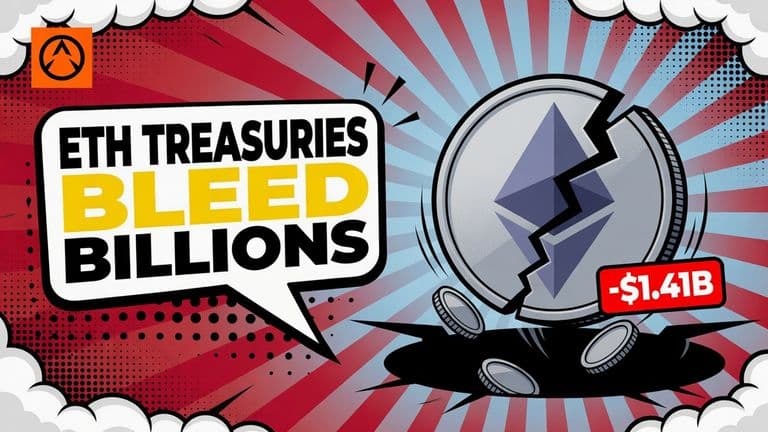
Everstake's review of 15 ETH treasury companies found $1.41 billion in FY2025 net losses, with staking making up 60% of revenue on average at six firms.

A Bitquery audit found Polymarket's primary favorites won 87% of 273 races, yet a dollar on each lost 4 cents. The losses came from the mid-priced favorites.
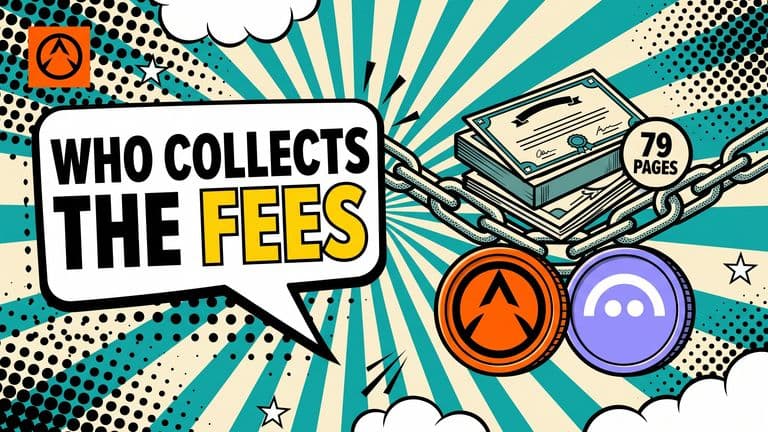
Citrini Research's report names Securitize, Coinbase, Circle, Aerodrome, Aave and Ondo as tokenization winners, and says fees matter more than activity.
Today is for the dogs 🐕. Show us the goodest one you know, and you might get some swag.


