AltcoinBuzzAltcoinBuzz
Subscribe
  • Crypto News
  • Crypto Research
  • Technical Analysis
AltcoinBuzzAltcoinBuzz

An independent digital media outlet delivering crypto research, news, and technical analysis to a community of 600,000+ users.

Follow us on:

Discover

  • Crypto Research
  • Crypto News
  • Technical Analysis
  • Key Opinions
  • Upcoming Launches

Categories

  • Bitcoin BTC
  • RWA
  • Technology
  • Altcoins
  • Regulation

Company

  • Affiliates
  • Partners & Sponsors
  • Careers
  • Contact
  • Terms of Use
  • Subscription Terms
  • About the ALTCOIN BUZZ
  • Privacy Policy
  • Contact ALTCOIN BUZZ
  • Advertise with us

Copyright 2026 ALTCOIN BUZZ. All rights reserved.Something is buzzzzzzzing.
HomeCrypto NewsBase Cobalt Upgrade, Adds Conditional Transactions and New B20 Rules
Crypto NewsTechnologyEthereum ETH

Base Cobalt Upgrade, Adds Conditional Transactions and New B20 Rules

Base’s Cobalt upgrade adds conditional transactions and changes seizure rules for B20 token issuers, but live availability remains unclear.
AAnmol Billa•Oct 1, 2026
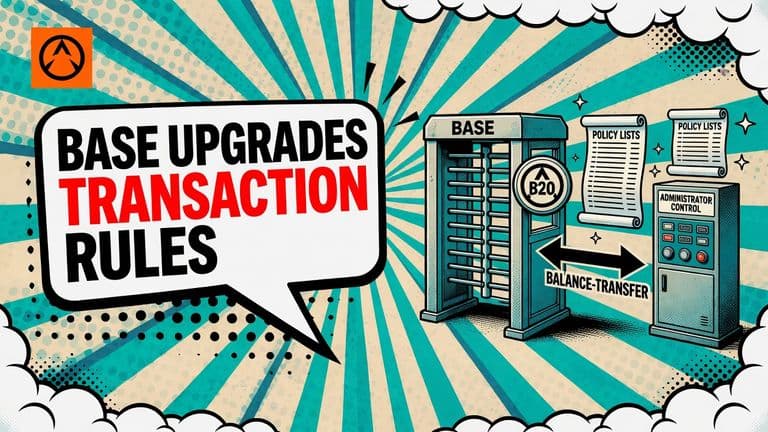
A comic illustration shows a Base transaction waiting at a condition gate beside B20 controls that allow an administrator to redirect a blocked holder’s balance.
MentionedETH$2,682.43+0.33%

Base has completed its Cobalt mainnet upgrade, which adds transactions that wait for onchain conditions and expands the rules available to issuers using its B20 token standard. For traders, the main change is more control over when a signed transaction may execute. For token holders, the new seizure rules deserve closer attention.

The maintenance window ran from 18:00 to 20:00 UTC on September 30, 2026. Base also required node operators to move to version 1.4.2 or later of its software, according to the Base status page.

Transactions That Wait for Conditions

Base calls these validity transactions. They are signed transactions that Base will consider for inclusion only when specified onchain conditions match. The conditions can test an account balance, contract storage, a block number or a Flashblock index.

In practice, a trader can sign a transaction before its conditions are met and attach a deadline or minimum balance requirement. Base waits until every condition is true before considering the transaction.

Base describes conditional swaps, withdrawals and other state-dependent actions as intended uses. Its example is a swap that executes only when a liquidity pool's price reaches a set threshold.

That does not guarantee a trade. A matching condition only makes the transaction eligible for inclusion. It does not guarantee inclusion or successful execution, as Base's specification makes clear.

There is an unresolved availability question. Base's Cobalt documentation describes validity transactions as part of the upgrade, while documentation cited by The Defiant listed the method as running only on test networks at the time of publication. The brief could not resolve whether every wallet, application or validator can use the feature on mainnet yet.

B20 Gives Issuers More Transfer Powers

B20 is Base's native token standard. It extends ERC-20 with role-based permissions and policies governing transfers, freezes, blocklists and seizures. It is also the standard used by Coinbase's tokenized stocks.

Cobalt updates B20 in several ways:

  • Issuers can schedule multiplier updates.
  • The transfer-blocked process is simplified.
  • Issuers can combine existing allowlists and blocklists under new Union and Intersect policies.
  • Issuers can authorize an administrator to move a blocked holder's balance to another address.

That last change is important for anyone holding an affected token. Instead of destroying the balance, an authorized issuer administrator can transfer it to a recovery or other destination address. The brief describes this as a transfer rather than a burn.

The issuer, not Base, decides whether seizure is enabled and which address may use it. Individual B20 tokens must opt in to the feature.

Issuers Can Combine Compliance Lists

Under Cobalt, an issuer can combine between two and four existing allowlists or blocklists. Those lists may be maintained by third parties, including a KYC provider.

Issuers can apply either AND or OR logic to the combined list. The relevant rules are checked when a transfer is processed. This could give token issuers a more structured way to manage restrictions, but it also concentrates more policy-setting power in the hands of the issuer.

Base is also replacing its older burnBlocked function with seizeWithMemo. The former remains callable but has been deprecated. The reporting on this change points to Base's B20 documentation, although its history is not entirely consistent with the account that Cobalt introduced the function.

What Changes Next

Cobalt also changes how Base handles network changes. Its Dynamic Upgrades feature stores upgrade timestamps in an Ethereum contract that nodes can query. It is running in a metrics-only mode on mainnet while Base collects data.

The upgrade also changes trusted execution environment registration. Base says AWS Nitro attestations can now be checked fully onchain using P-384 hints. This removes the previous dependence on an external offchain proving service.

Cobalt is Base's third upgrade of 2026, following Azul and Beryl. Denim is next and targets October, with a planned move to native 200-millisecond blocks. The brief did not confirm a final activation date for Denim.

For traders, Cobalt offers conditional execution, but it is useful only if the application exposing it is live and users understand that valid conditions do not guarantee a fill. For B20 holders, the issuer's seizure policy matters more than the upgrade headline. Anyone using an affected token should check whether seizure is enabled and who holds the authority to invoke it.

The information discussed by Altcoin Buzz is not financial advice. This is for educational, entertainment, and informational purposes only. Any information or strategies are thoughts and opinions relevant to the accepted levels of risk tolerance of the writer/reviewers and their risk tolerance may be different than yours. We are not responsible for any losses that you may incur as a result of any investments directly or indirectly related to the information provided. Bitcoin and other cryptocurrencies are high-risk investments so please do your due diligence.

Copyright Altcoin Buzz Pte Ltd.

Related

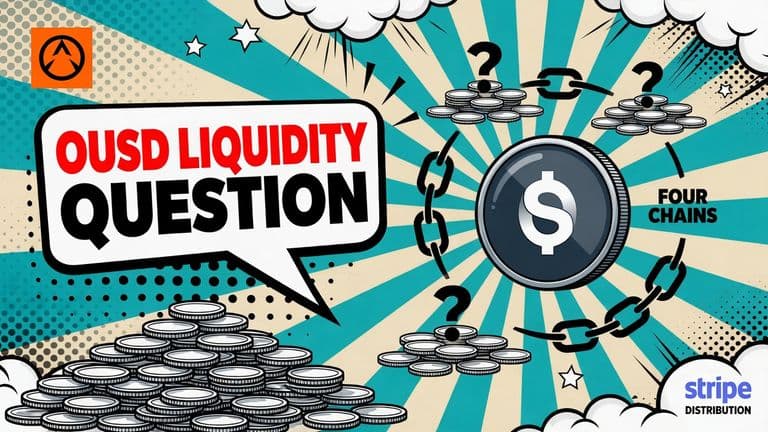
A comic cover shows OUSD connected across Ethereum, Solana, Base and Tempo, with uneven liquidity pools and a question mark highlighting the uncertainty.
StablecoinsEthereum ETH
Oct 1, 2026

Open Standard Launches OUSD Across Four Chains, but Liquidity Is Unclear

Open Standard launched OUSD on Ethereum, Solana, Base and Tempo on 30 September 2026, giving the dollar stablecoin a four-chain start.
Anmol Billa
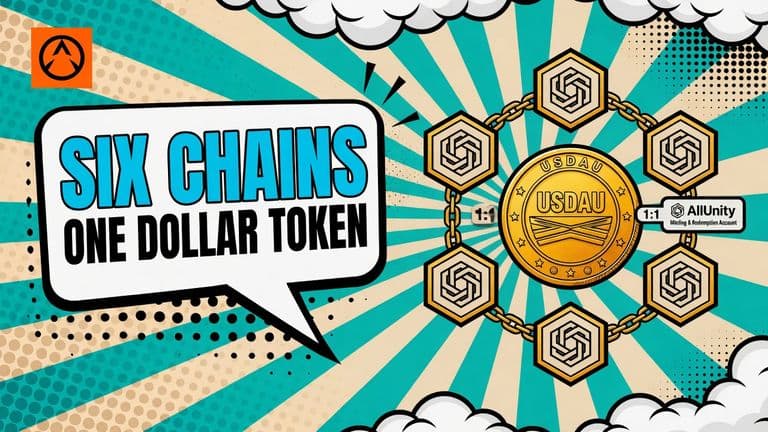
A comic cover shows the USDAU stablecoin connected through a business minting and redemption account to six named blockchain marks.
StablecoinsRegulation
Oct 1, 2026

European Stablecoin Issuer AllUnity Launches USDAU Across Six Blockchains

AllUnity's USD-pegged USDAU targets European businesses with regulated issuance, 1:1 redemption and support across six blockchains.
Pallavi Malviya Gupta
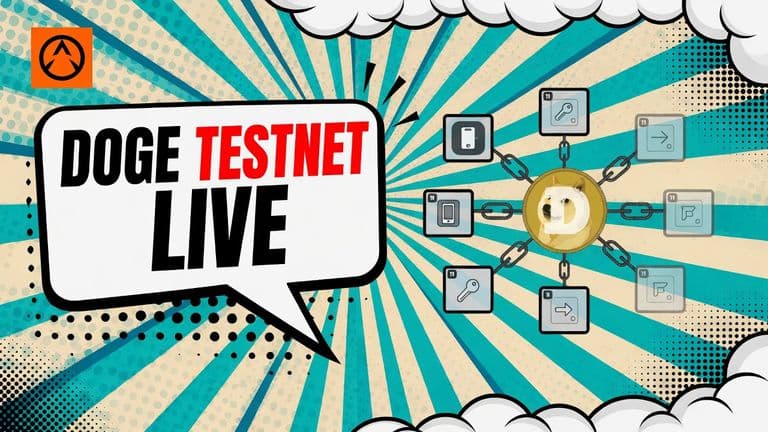
A comic illustration shows Dogecoin connected to the DogeOS testnet, with a mix of application tiles and several unfinished plans inside a speech bubble about the live testnet.
Upcoming LaunchesTechnology
Oct 1, 2026

DogeOS Opens Testnet With 11 Dogecoin Apps in Sight

DogeOS has opened an EVM-compatible testnet for DOGE apps. Here is what works now, what is unverified and what comes before mainnet.

DOGE
Saloni Rathi