AltcoinBuzzAltcoinBuzz
Subscribe
  • Crypto News
  • Crypto Research
  • Technical Analysis
AltcoinBuzzAltcoinBuzz

An independent digital media outlet delivering crypto research, news, and technical analysis to a community of 600,000+ users.

Follow us on:

Discover

  • Crypto Research
  • Crypto News
  • Technical Analysis
  • Key Opinions
  • Upcoming Launches

Categories

  • Bitcoin BTC
  • RWA
  • Technology
  • Altcoins
  • Regulation

Company

  • Affiliates
  • Partners & Sponsors
  • Careers
  • Contact
  • Terms of Use
  • Subscription Terms
  • About the ALTCOIN BUZZ
  • Privacy Policy
  • Contact ALTCOIN BUZZ
  • Advertise with us

Copyright 2026 ALTCOIN BUZZ. All rights reserved.Something is buzzzzzzzing.
HomeCrypto NewsTokenized Stocks Can Face Three-Month Pauses After Volume Breaches
Crypto NewsRegulationRWA

Tokenized Stocks Can Face Three-Month Pauses After Volume Breaches

Repeated volume breaches can pause one tokenized stock across affiliated exchanges for three months, even while investors retain their economic rights.
BBikash Deka•Sep 27, 2026
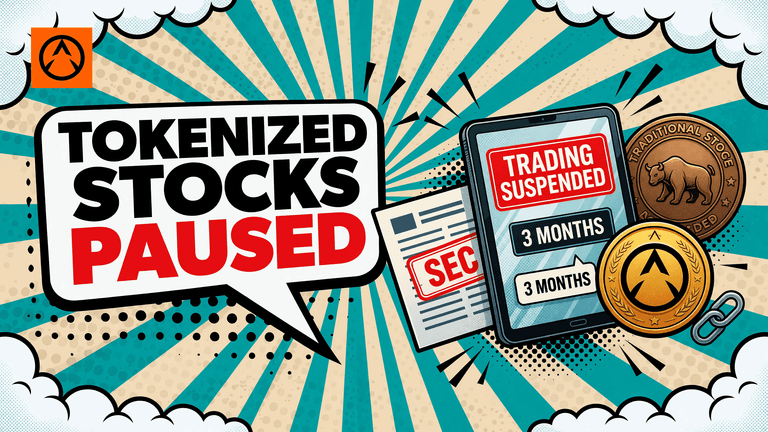
A tokenized stock breaches a volume limit and is suspended from trading while its traditional stock counterpart remains active.

A tokenized stock can stop trading for three months after repeated volume-limit breaches under the SEC's experimental framework for tokenized securities venues. The pause would affect that stock on one exchange and its affiliates, not every token carrying the same company name.

The limit is a market test. It does not cap how much one investor can own. It limits average daily tokenized volume relative to trading in the traditional stock.

How the three-month pause works

The framework sets different thresholds for the largest stocks and the broader eligible group:

  • Tier 1 includes S&P 500 and Russell 1000 stocks and certain exchange-traded products. Affiliated exchanges can list up to 75 symbols, with a per-stock volume threshold of 0.25% of the traditional stock's prior-month average daily share volume.
  • Tier 2 covers other eligible securities. Affiliated exchanges can list up to 250 symbols, with a threshold of 2.5% of the stock's prior-month average daily share volume.

The threshold is based on an average. A single busy session would not automatically count as a breach.

For a traditional stock that averaged 10 million shares per day, the Tier 1 allowance would be 25,000 shares of average daily tokenized volume. The comparison is with the underlying stock's prior-month activity, not a fixed dollar amount or an individual ownership limit.

Each stock has its own enforcement history. A first breach receives a grace allowance. Each later breach triggers an immediate three-month pause. The clock starts on the breach date, and affiliated tokenized securities venues must follow the pause. Other stocks can keep trading.

Exchanges must notify affected participants immediately. They must also update their public notice within five business days. An exchange may pause trading earlier if it believes continued activity would cause a threshold breach.

According to CryptoSlate's report on the framework, the SEC wants to limit spillover risks during the experiment, including token prices separating from traditional share prices.

Owning the stock may not provide an easy exit

A pause does not necessarily take away the investor's economic claim on the underlying business. The problem is liquidity.

The SEC's framework separates two tokenized securities structures. In one, a company or its agent uses blockchain records within its own ownership system. In another, a third party holds conventional shares and issues tokens that represent an interest in them.

A qualifying tokenized stock must preserve the economic and governance rights associated with the traditional security, including dividends and voting rights. Synthetic tokens that merely track a stock's return do not qualify because they do not provide that share exposure.

For a third-party structure, the issuer's finances and obligations can add another layer of risk. Investors depend on both the underlying business and the company responsible for issuing and administering the token.

Sending the token to another wallet does not solve the problem. The holder still needs an eligible venue for that exact instrument or a workable redemption process under its terms. The three-month provision does not guarantee acceptance by another broker, and it is not a universal ban on transfers.

Thin pools add another risk

The framework permits a five-year test of trading through automated market makers rather than traditional order-to-order matching. Goldman's analysis of the TSV window describes the resulting market structure.

An automated market maker sets prices from the inventory in its pool. If that inventory is thin, buying pressure can lift the token's price even when the broader market has not moved by the same amount. Arbitrage may bring the prices closer together, but traders need both the capital and a workable route between markets.

That creates an extra exposure. The token may still represent the same company, but its price can move independently on a shallow venue.

The structure also limits who can trade. Access is permissioned, so participants or their wallets must pass verification standards. SEC Commissioner Mark Uyeda said longer trading hours could spread liquidity more evenly, but could also spread it too thin.

The halt risk sits below the headline price

The clearest warning is the halt. After a repeated breach, the exact token may become difficult or impossible to sell for three months on the relevant exchange network.

The larger risk is in the structure around that token. Investors should distinguish direct share ownership, third-party issuance and synthetic return exposure. They should also check whether an eligible alternative venue or a defined redemption route exists before treating the token as equivalent to a freely tradable conventional share.

The framework is still experimental. The available reporting does not identify approved exchanges, current tokenized trading volumes, pool depth or any completed three-month pause. Those details will determine where the rules are most likely to affect investors in practice.

The information discussed by Altcoin Buzz is not financial advice. This is for educational, entertainment, and informational purposes only. Any information or strategies are thoughts and opinions relevant to the accepted levels of risk tolerance of the writer/reviewers and their risk tolerance may be different than yours. We are not responsible for any losses that you may incur as a result of any investments directly or indirectly related to the information provided. Bitcoin and other cryptocurrencies are high-risk investments so please do your due diligence.

Copyright Altcoin Buzz Pte Ltd.

Related

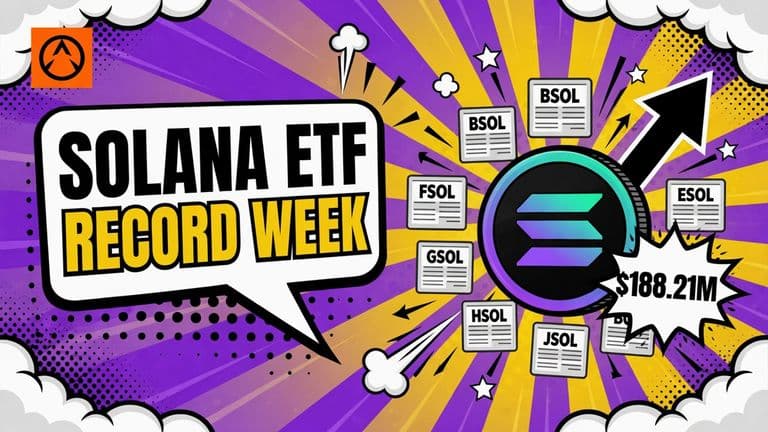
A bold Solana coin and rising arrow dominate a group of seven ETF cards, with a $188.21M badge marking reported weekly inflows.
Crypto News
Sep 27, 2026

Solana ETFs Post Their Biggest Week Since Launch

Seven US spot Solana ETFs took in a reported $188.21 million, with Bitwise’s BSOL attracting most of the capital.

SOL
Pallavi
A bold comic cover showing the SEC separating a functioning network from issuer-dependent promises while token buybacks continue in the background.
RegulationAltcoins
Sep 27, 2026

SEC Staff Says Token Buybacks Aren’t Essential if the Network Works

SEC staff say buybacks alone aren’t essential managerial efforts for a functional crypto network, but the guidance is not a binding SEC position.
Shashwat Gupta
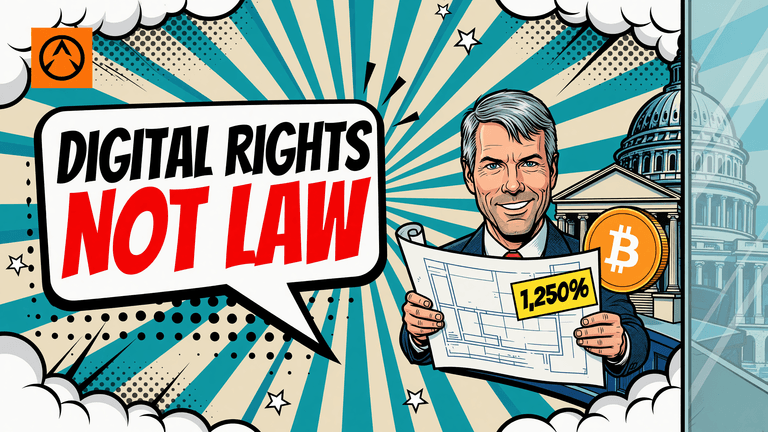
A pop-art illustration shows Michael Saylor with a digital-rights blueprint beside a bank and Bitcoin coin, while a Congressional building remains behind a barrier.
RegulationBitcoin BTC
Sep 27, 2026

Saylor’s Digital Rights Plan Is a Proposal, Not Crypto Law

Michael Saylor proposes five digital asset rights. The plan could widen Bitcoin banking, but no law or rule has adopted it.

BTC
Anmol Billa