$4.7M Deepfake Musk Scam Blocked by Coinbase AI Defenses
Coinbase says its AI scam defenses blocked $4.7 million, about 91% of attempted transfers, from a deepfake Elon Musk scam livestream.

By Anmol BillaSenior Analyst
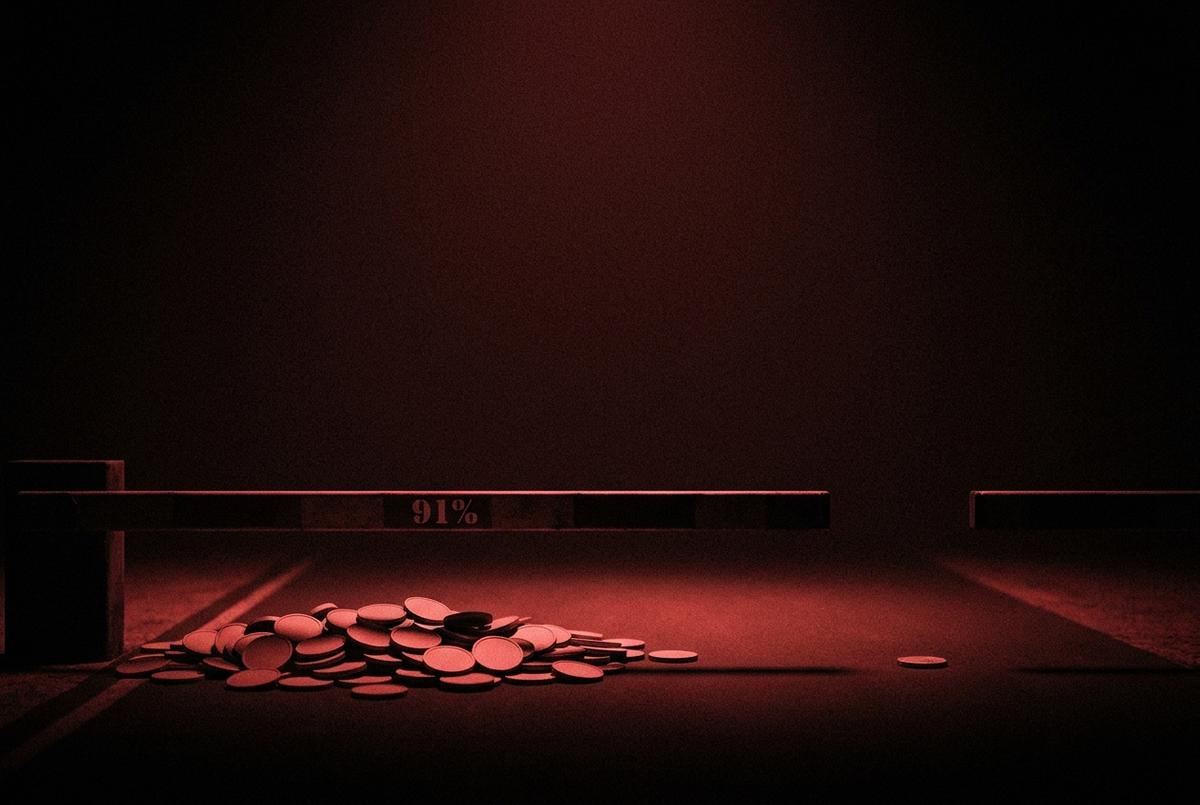
Coinbase says its AI scam defenses stopped $4.7 million from reaching scammers who ran a deepfake of Elon Musk on a YouTube livestream dressed up as Tesla's "flying car" demo. The company says the system blocked about 91% of the transfers customers tried to make during the scam, which drew more than 500,000 viewers.
- Coinbase said its AI scam defenses blocked $4.7 million in attempted customer transfers tied to a deepfake Elon Musk livestream.
- That is about 91% of the transfers the company flagged, in reporting dated 18 November 2026.
- No next step has been announced, and the scammers, the YouTube account behind the stream and the crypto assets customers tried to send all remain unidentified.
The part that matters most for anyone holding crypto on an exchange is what did not happen. There was no breach, no stolen password and no phished credential, Coinbase said: the customers authenticated and approved the transfers themselves.
The Livestream Looked Like the Real Broadcast
During Tesla's "flying car" demo, scammers spun up a YouTube livestream that looked like the actual broadcast, Coinbase said in its consumer-protection post. It featured a deepfake of Elon Musk, on-screen wallet addresses and a QR code, and it promised to double any crypto sent to it. More than 500,000 people watched.
Within about two hours, hundreds of Coinbase customers tried to send millions of dollars to the addresses shown on screen. Coinbase says most of that money never left.
Nobody Was Hacked, and That Is the Point
"The part that makes this hard: nobody was hacked," Coinbase wrote. "No Coinbase account was broken into, no password stolen, no credential phished. Hundreds of customers, many of them long-time users, decided on their own to send money to a stranger."
That changes the kind of protection a customer gets. Systems built to catch account takeovers would see nothing unusual, because the customers signed in themselves and approved each transfer. The risk sat with the decision, not the login.
What the System Watches
Coinbase describes its scam prevention agent in three parts. Detection runs machine learning models that score risky sends in real time against signals including giveaway patterns, brand impersonation and newly created wallet addresses. Intervention holds a short, targeted conversation with the customer to slow the transfer down. A third step puts a confidence score on every reply.
The Old Fix Was a Manual Blacklist
Coinbase's earlier answer to the same trick was smaller and slower. In July 2020, when well-known Twitter accounts including Musk's were hacked for a similar giveaway, the company blacklisted the Bitcoin address the scammers were using by hand, a fix that only took effect once the address was public and money was already moving.
The scale has grown since. TRM Labs said in August that reported losses to deepfake scams in 2026 had already passed the whole of 2025 by 263%.
Where the 91% Stops Short
Several details are not in the public record. Coinbase has not said whether the 91% counts transfers or dollar value, which crypto assets customers tried to send, or exactly how many attempted transactions there were. The scammers' identities and the YouTube account that carried the stream are unknown. Elon Musk has not commented, and no named Coinbase representative has spoken on the record: the wording comes from the company's own blog and its post on X.
The $4.7 million is the number that will travel. What Coinbase has left open is what the 91% actually measures.

Anmol Billa
Anmol Billa is a Senior Analyst at Altcoin Buzz, with over five years of experience working across cryptocurrency markets and the broader digital asset industry. His work focuses on technical analysis, market research, investment insights, and evaluating emerging opportunities within the crypto ecosystem. At Altcoin Buzz, Anmol contributes to technical market analysis, research-driven insights, pitch decks, and funding-related initiatives. His experience combines analytical thinking with a practical understanding of crypto markets, helping translate market trends and emerging projects into clear, actionable insights for readers and industry stakeholders.
More from AnmolNext up
MARA Moves 366 Bitcoin as 2026 Sales Top $3 Billion
MARA Holdings has reportedly moved another 366 BTC worth $23.3 million as its combined disclosed and tracked Bitcoin sales for 2026 reach approximately 40,581 BTC.
 BTC
Related
More in Crypto NewsRelated
NVIDIA Posts 103% Revenue Growth as AI Crypto Projects Watch GPU Demand
 TAORENDER

Why Is Crypto Down Today? Bitcoin ETFs Shed $240M
BTC
Is Bitcoin's CME Basis Trade Over? What CFTC Data Shows
BTC
Binance Hacker Moves $142M in ETH as THORChain Bitcoin Swaps Continue
 ETHBTC