Binance Won a $6.5B Freezing Order. What Does It Actually Do?
Binance says it won a $6.5 billion worldwide freezing injunction over its 29 October hack, while the FBI blames North Korea's TraderTraitor for the theft.

By Anmol BillaSenior Analyst
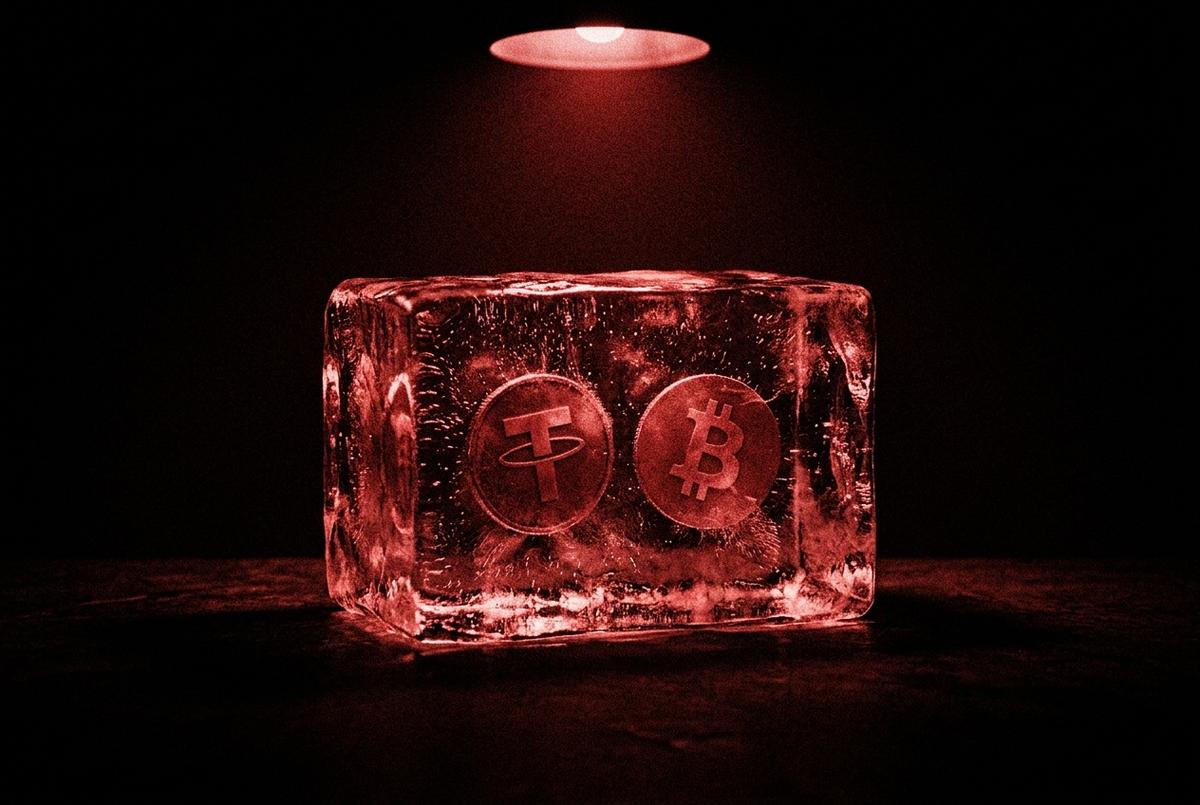
Binance says it has won a $6.5 billion worldwide freezing injunction from the Abu Dhabi Global Market Courts. The order covers the theft from its wallets on 29 October. The exchange says it needs the order before partners holding frozen funds will release them.
If you keep assets on Binance, what changes for you is narrower than the headline figure. The exchange says the assets taken in the incident were fully replenished. It says it had reopened withdrawals across 87 networks by 14 November. The order is not a refund. Binance said the $6.5 billion is not a tally of what has been recovered. It sets a ceiling on what can be frozen rather than counting money already back.
- Binance says it won a $6.5 billion worldwide freezing injunction from the Abu Dhabi Global Market Courts over the theft from its wallets on 29 October.
- About $2.85 billion of the crypto stolen on 29 October, roughly 45% of the total, has been frozen or intercepted, and the US Justice Department has court authorization to seize or restrain more than $1.2 billion.
- The Abu Dhabi court will decide on 1 December whether to extend the injunction and whether 18 named firms must hand over the assets they froze.
What the Order Lets Binance Do
The injunction was issued by Justice William Stone SBS KC against "certain Persons Unknown", described as the perpetrators of the fraud. It can be served on the blockchain, so legal notices reach wallet addresses instead of going through the usual channels. The market will be told about updates to a "living list" of 26,000 wallet addresses identified as holding stolen assets.
The order also requires the perpetrators to disclose worldwide assets worth more than $50,000 in sworn statements by 30 November. A separate order requires 18 named firms, including Circle and BitGo Bank & Trust, to keep existing freezes on hack-linked assets in place. Interim orders cover assets frozen by named parties against whom no wrongdoing is alleged.
Binance says the order matters because some issuers, exchanges and other partners ask for formal legal process before frozen assets are released, transferred or returned. The exchange has already committed more than $6.34 billion from its treasury, its Secure Asset Fund for Users and insurance funds to cover affected assets. It says that coverage is complete.
Dugan Bliss, Binance's deputy general counsel, said in the exchange's announcement: "Binance has been granted a court order in the ADGM Courts as part of our ongoing efforts to recover assets connected to the 29 October security incident. As previously announced, assets impacted in the security incident have been fully replenished."
The order names no one the exchange can find. A freezing order against unidentified wallet holders cannot by itself make them hand anything over. The order itself has not been published. Binance's announcement pages were not reachable, so the $6.5 billion figure and the court dates rest on the exchange's statement rather than a document a reader can open.
Who the FBI Says Took the Money
The US Justice Department's own release is the clearest public record of what happened. It says members of the North Korean military, referred to by the FBI as "TraderTraitor", stole the virtual assets. The theft took more than $6 billion worth from Binance on or about 29 October.
The department said it had already obtained court authorization to seize or restrain more than $1.2 billion of that amount. That is part of more than $2.7 billion frozen through US government and private sector efforts. The FBI, with the Secret Service and IRS-CI, issued a Cyber Alert attributing the theft. It urged virtual asset service providers to block transactions from the addresses used to launder it.
Totals differ by source. The Justice Department says more than $6 billion. Binance put the impact at about $6.34 billion, roughly four times the size of the Bybit hack that was the previous record. The asset schedule filed with the Abu Dhabi court puts the stolen tokens at $6.3 billion.
The 192 Tokens Behind the Figure
An asset schedule submitted by Nest Clearing and Custody Limited lists 192 cryptocurrencies across 11 blockchain networks. The firm operated the affected wallets, and the schedule was included in an 18 November Abu Dhabi court order. Tether's USDT is the largest single slice at $2.50 billion, followed by $1.42 billion in Bitcoin and $826 million in USDC. Together the three make up about 76% of the value taken.
Stablecoins account for at least $3.46 billion, 55% of the total. Ethereum carried roughly 60% of the stolen value, more than any other network. Memecoins made up $37.9 million, led by $34.9 million in PEPE and $2.3 million in SHIB.
About $2.85 billion of the stolen tokens, roughly 45%, has been frozen or intercepted by third parties, with stablecoin issuers accounting for most of that. The Justice Department counts more than $2.7 billion frozen, about 43% of the total. That leaves roughly $3.6 billion that has not been frozen.
The 30 November Deadline and 1 December Hearing
- 30 November: the perpetrators must file sworn statements disclosing worldwide assets worth more than $50,000.
- 1 December: the Abu Dhabi court considers whether to extend the injunction and whether the 18 named firms must hand over the assets they froze.
Binance says it is still working through the aftermath. It said on 14 November that activity was returning to normal. It aimed to reopen withdrawals for all remaining networks by the end of the following week. Its Asia-Pacific head, SB Seker, told Reuters that the exchange plans to enter five Asian markets in 2027, with South and Southeast Asia first. He said details are expected in the first quarter, and that it does not need fresh capital to absorb the October losses.
The court may extend the order on 1 December and require the 18 firms to hand over what they froze. If it does, the pathway Binance says it needs is complete. If it does not, the exchange is left with a $6.5 billion ceiling while roughly $3.6 billion of the haul stays unfrozen.

Anmol Billa
Anmol Billa is a Senior Analyst at Altcoin Buzz, with over five years of experience working across cryptocurrency markets and the broader digital asset industry. His work focuses on technical analysis, market research, investment insights, and evaluating emerging opportunities within the crypto ecosystem. At Altcoin Buzz, Anmol contributes to technical market analysis, research-driven insights, pitch decks, and funding-related initiatives. His experience combines analytical thinking with a practical understanding of crypto markets, helping translate market trends and emerging projects into clear, actionable insights for readers and industry stakeholders.
More from AnmolNext up
Is Bitcoin's CME Basis Trade Over? What CFTC Data Shows
CFTC data confirms hedge funds cut CME bitcoin net short by 89% since December 2024, and shows the 'smallest since February 2023' line went stale in a week.
 BTC