Bitcoin Core Leak Links Wallet Addresses to Nodes 30 Times Out of 30
Bitcoin Core contributor Abubakar Sadiq Ismail linked wallet addresses to the nodes holding them in all 30 regtest trials, at about 33 cents a try.

By Bikash DekaAnalyst
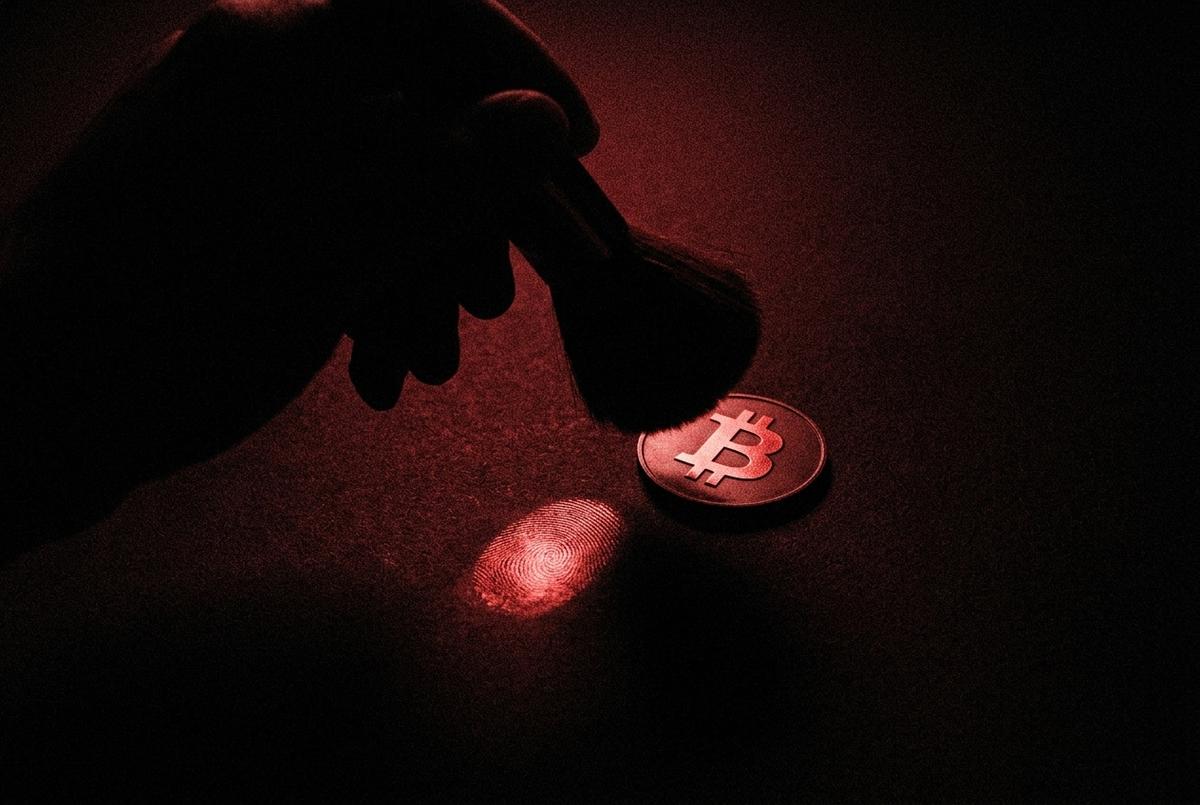
On 25 November, Bitcoin Core contributor Abubakar Sadiq Ismail published research showing he could link a Bitcoin address to the node that holds its wallet in all 30 attempts, using a wallet feature that re-announces unconfirmed transactions. The test ran in regtest, Bitcoin Core's local testing environment, not on the live network.
- Ismail linked each of the 30 planted addresses to the correct node in a regtest simulation published on 25 November.
- One planted transaction costs about $0.18 to $0.33 at $59,000 per bitcoin on 25 November 2026.
- Bitcoin Core pull request #36482, which the researcher says removes the leak, was still open on 27 November.
- A Bitcoin Core contributor says the pull request raises the attacker's cost slightly but does not prevent the attack.
How the leak works
A wallet re-announces an unconfirmed transaction it holds, whether sent or received, after the transaction stays in the wallet unconfirmed for 12 to 36 hours. An attacker who plants a small transaction to a target address can watch for that rebroadcast and tie the address to the node whose wallet recognizes it.
The cost is small. At about $59,000 per bitcoin on 25 November 2026, one planted transaction costs about $0.18 to $0.33, including its dust output and relay fee.
The leak sits in the Bitcoin Core wallet and fires on watch-only and hot wallets. A watch-only wallet tracks an address without holding its key, so the attack pins the node whose wallet recognizes the address, which may not be the party that controls the funds. Any software that loads its addresses into a Core wallet inherits the leak.
A match shows tracking, not ownership
A service can keep its spending keys off the machine it uses to monitor deposits, and a match still identifies the node whose wallet recognizes the address. What the link reveals is wallet tracking. Who owns or controls the funds stays unresolved.
A fix is open, and a contributor says it is not enough
Bitcoin Core pull request #36482 would only rebroadcast a transaction that was newly added to the mempool, which Ismail says removes the leak. The proposal opened on 8 October, several weeks before he published his results, and was still open on 27 November.
Bitcoin Core contributor mzumsande wrote that it "only raises the cost of the active attack slightly, it doesn't prevent it", and described an adaptive variant that works around the change. He said the most concerning case is an unsuspecting node runner who passively runs Bitcoin Core with a loaded wallet and can be dusted for transactions made years ago.
What node runners can do
The research lists two mitigations. Turning off wallet broadcasting with -walletbroadcast=0 does more than stop the rebroadcast: it disables all wallet-initiated relay, so a user must broadcast their own sends separately. Routing through Tor or I2P with -onlynet=onion or -onlynet=i2p stops clearnet IP exposure even if rebroadcast stays on.
The 30-of-30 result comes from regtest, a controlled test environment, not a measurement on the live network, so it shows the method works under test conditions rather than how often it would land against a real node. The next step is pull request #36482, which was still open on 27 November. If it merges as written, it would limit wallet rebroadcast to transactions the node newly accepts into its mempool, which the researcher says would remove the leak.

Bikash Deka
Bikash Deka is a crypto and Web3 analyst and writer focused on making blockchain, cryptocurrency, and digital asset developments easier to understand. His work covers crypto markets, emerging blockchain projects, industry trends, and major developments across the digital asset ecosystem. With a background in Technology and Web3, Bikash combines analytical research with clear, beginner-friendly writing. He follows market movements, evaluates industry developments, and turns complex crypto topics into accessible insights for readers. At Altcoin Buzz, Bikash contributes research driven news and educational content designed to help readers better understand what is happening in the fast-moving world of cryptocurrency and blockchain.
More from BikashNext up

Bitcoin ETFs Shed $5.39B in November as Borrowers Cut Debt
U.S. spot Bitcoin ETFs lost a record $5.39 billion in November as BTCS and Bit Digital sold Ether to repay lenders, and Bitcoin fell 22% over the month.
 BTC
 ETH