Dogecoin and BNB gained as Bitcoin slipped toward $63,700. Traders now await US inflation data and watch oil prices for clues on the Fed's next move.

 DOGE$0.08535+4.70%
 BNB$754.76+3.85%
 BTC$78,372.00+2.26%
 SOL$106.22+5.63%
Dogecoin (DOGE) and Binance Coin (BNB) led gains among major cryptocurrencies on Wednesday, while Bitcoin (BTC) moved lower toward $63,700.
DOGE gained nearly 3% to around $0.07, taking its weekly gain to almost 3%. BNB also climbed about 2% to $614, while Bitcoin was the only major cryptocurrency showing losses on both the daily and weekly timeframes.
The mixed market comes as traders wait for the latest US inflation data, while rising oil prices and uncertainty around the Middle East continue to influence broader risk assets.
Dogecoin was the strongest performer among the major cryptocurrencies, rising nearly 3% to slightly above $0.07.
The meme coin has also gained almost 3% over the past week, showing stronger short-term momentum compared with several other large-cap assets.
BNB followed with a roughly 2% daily gain, trading near $614. The token is also up almost 2% over the past seven days.
Tron (TRX) added nearly 1% to trade just below $0.34. TRX has gained more than 2% over the past week, making it one of the better-performing major tokens during the period.
XRP also moved higher, gaining more than 0.5% to trade slightly above $1. However, XRP remains down about 5% over the past week, giving it the weakest weekly performance among the major cryptocurrencies.
Solana (SOL) and Ethereum (ETH) were also slightly higher, trading around $76 and $1,890, respectively. SOL has gained roughly 3% over the past seven days.
Hyperliquid (HYPE) was one of the few major tokens moving lower. HYPE declined more than 1% to around $54 and is down approximately 3% over the week.

Bitcoin remains under pressure compared with other major cryptocurrencies.
BTC slipped toward $63,700, making it the only major asset in the group that was lower on both the day and the week.
The weak performance comes as traders remain cautious ahead of the latest US inflation report. Bitcoin and other risk assets could see increased volatility once the data is released.
The inflation reading will be closely watched because it could influence expectations for the Federal Reserve's interest-rate policy.
If inflation shows signs of cooling, traders could increase their expectations for rate cuts later this year. Lower rates generally provide a more supportive environment for risk assets such as cryptocurrencies.
However, stronger-than-expected inflation could have the opposite effect by keeping pressure on expectations for monetary easing.

The latest US inflation data is one of the biggest short-term catalysts for crypto markets.
July's inflation report is scheduled for release at 8:30 a.m. ET, with traders paying close attention to whether price pressures are continuing to ease.
Oil prices could also influence the inflation reading.
Brent crude has climbed above $90 per barrel, marking its sixth consecutive session of gains. This is the longest winning streak for Brent since April.
Higher energy prices can add to inflationary pressure, potentially making the Federal Reserve more cautious about cutting interest rates.
Jeff Mei, chief operating officer at BTSE, said that the week's market direction could depend heavily on the inflation report and developments involving Iran and the US around the Strait of Hormuz.
Mei also noted that weaker US jobs data has supported expectations for lower inflation and potential Fed cuts.
If the CPI data comes in below expectations, traders could see it as a reason for a broader relief rally across risk assets, including Bitcoin.
Oil has become an important part of the current market story.
Brent crude recently moved above $90 per barrel, extending a six-session rally as traders remain uncertain about the possibility of a Middle East agreement.
A prolonged rise in oil prices could complicate the Federal Reserve's fight against inflation.
For crypto investors, this creates two competing forces.
Cooling inflation could increase expectations for Fed rate cuts and support Bitcoin and altcoins. But rising energy prices could keep inflation elevated and reduce the chances of aggressive monetary easing.
This could explain why the crypto market remains mixed rather than moving strongly in one direction.
Traditional markets have shown stronger momentum than crypto in the latest session.
South Korea's Kospi index jumped 4.6%, supported by gains in major semiconductor companies Samsung Electronics and SK Hynix.
The MSCI Asia Pacific index also gained nearly 1% as semiconductor stocks strengthened.
US technology stocks also received support from strong corporate earnings.
CoreWeave surged 16% after hours following stronger-than-expected sales growth, while Super Micro Computer gained almost 8% after providing a revenue forecast above analyst expectations.
The stronger performance in equities suggests that investors are still willing to take risk, even though Bitcoin has struggled to follow the broader move.
The crypto market is entering a potentially important period.
A softer-than-expected inflation reading could strengthen expectations for Fed rate cuts and improve liquidity conditions. That could provide Bitcoin with an opportunity to recover and potentially lift altcoins further.
DOGE, BNB and SOL are already showing stronger short-term momentum, while XRP and HYPE continue to lag.
However, a hotter inflation reading could increase pressure on Bitcoin and other risk assets.
Oil prices will also remain important. If crude continues climbing, markets could become more concerned about renewed inflationary pressure.
For now, the market is showing selective strength rather than a broad-based rally. Bitcoin's ability to stabilize while major altcoins continue gaining will be an important signal for the next move.
The current setup remains closely tied to macroeconomic developments.
Dogecoin and BNB are leading the major crypto assets higher, while Solana is also showing solid weekly performance. Bitcoin, however, remains under pressure near $63,700.
The next major catalyst is the US CPI report. A softer inflation reading could support expectations for Fed rate cuts and potentially trigger a broader crypto relief rally.
On the other hand, stronger inflation, rising oil prices or renewed geopolitical tensions could keep Bitcoin and the wider market under pressure.
For now, traders should watch Bitcoin's reaction to the inflation data, while DOGE, BNB and SOL could remain among the key altcoins to watch if risk appetite improves.
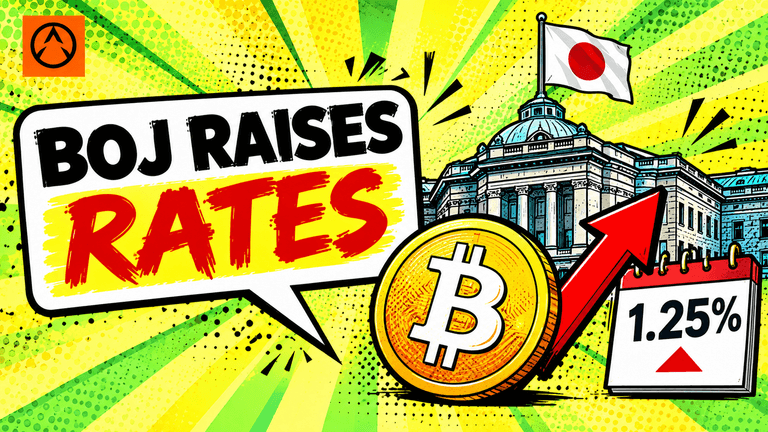
Bitcoin climbed above $77,000 after the Bank of Japan raised rates to 1.25%, while the yen weakened and markets assessed the impact on global risk assets.
BTC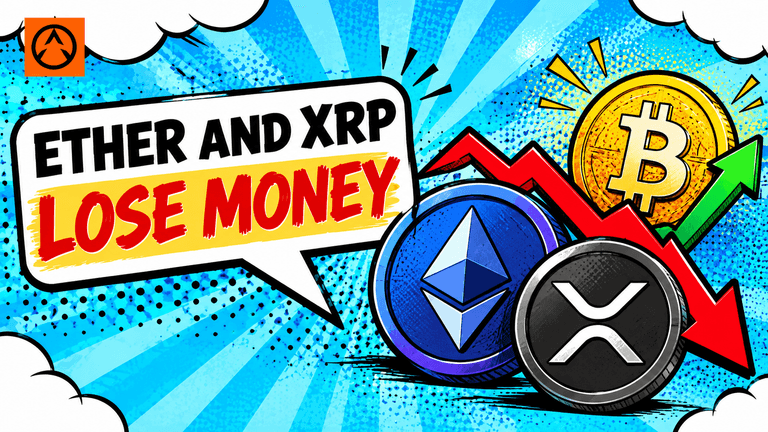
Ether and XRP ETFs saw fresh outflows as Bitcoin ETFs attracted $159 million and BTC climbed above $77,000. Zcash ETF demand also surged.
 ETH
ETH XRP+1 more
Bitcoin Core 32 adds parallel validation reads and a mempool-based fee estimator. Draft release notes also flag mining compatibility changes, wallet updates and server limits.
BTC
