Ethereum Locks Dec. 15 Hoodi Test Despite 200 Contract Findings
Ethereum core developers kept EIP-8037 unchanged and set the Hoodi testnet for 15 December, as Vitalik Buterin warned against rushing the gas repricing.

By Shashwat GuptaFounder
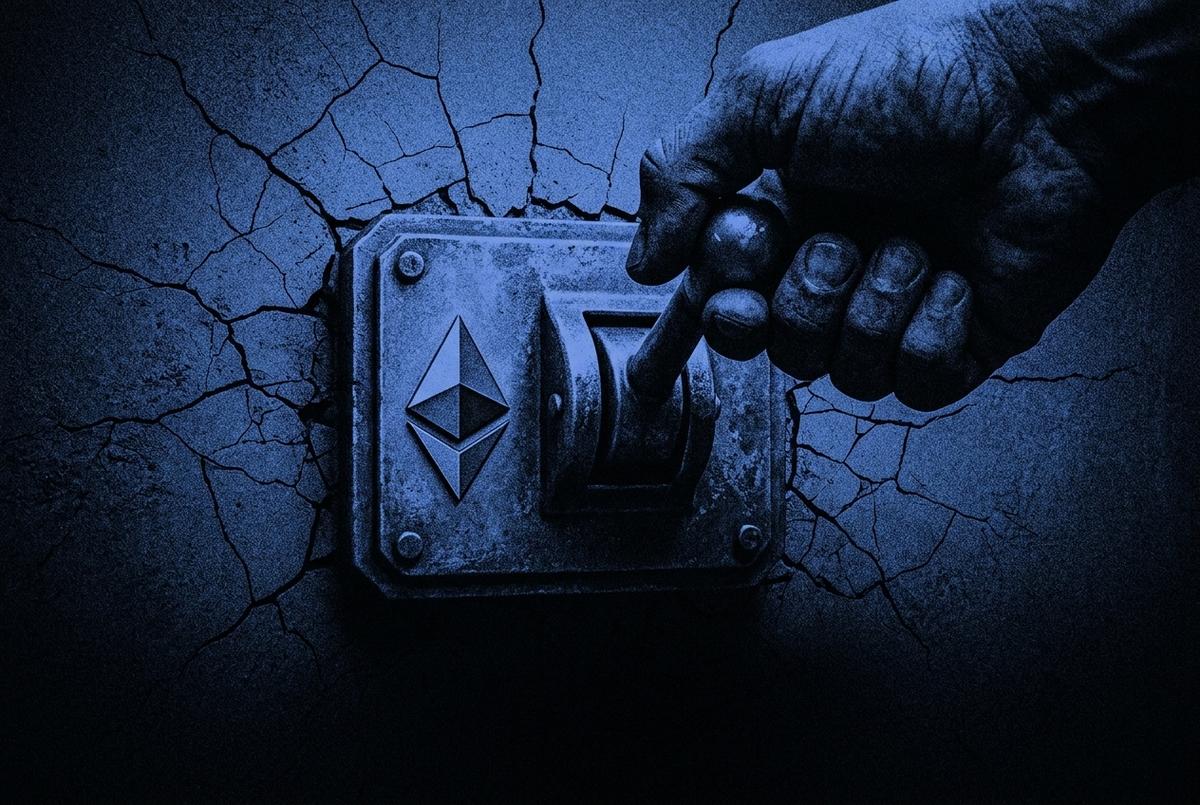
Ethereum's core developers decided on 26 November to keep the gas repricing at the centre of the Glamsterdam upgrade exactly as written, and to switch on the Hoodi testnet at 19:12 UTC on 15 December. Two days later, Vitalik Buterin said the objections application developers raised against the change are reasonable, and that a breaking change like this should not be rushed.
- Execution-layer client teams agreed to ship EIP-8037 with no specification changes, and scheduled Hoodi for 15 December at 19:12 UTC, at epoch 143,616.
- ChainSecurity's 18 November impact assessment, run with investigations coordinated by the Ethereum Foundation, documented 200 compatibility findings, three of them high severity.
- Ethlabs recommended on 25 November that Glamsterdam go ahead as designed, saying removing EIP-8037 would give up the upgrade's roughly threefold gas limit increase.
- No Glamsterdam mainnet date has been agreed; mid-January 2027 is the earliest window under discussion, with late January or early February called more realistic.
What EIP-8037 Actually Changes
EIP-8037 raises the gas cost of creating new accounts, storage entries and smart contract code. A companion proposal, EIP-8038, adjusts the cost of accessing existing network state. Both sit inside Glamsterdam, which changes how Ethereum builds and validates blocks and prepares the ground for parallel transaction processing.
The proposal adds a variable called CPSB, the cost per state byte, which sets the gas charged for each new byte of state. Its target is average state growth of 120 GiB a year at a reference block gas limit of 150 million gas units. Glamsterdam also lifts the block gas limit to 200 million, from 60 million.
The point of the repricing is throughput. Growthepie estimates the higher limit could raise Ethereum's layer-1 speed from 24.9 transactions per second to roughly 80 TPS in early 2027. Ethlabs argued that repricings like EIP-8037 are a necessary step on Ethereum's path to 1000x scaling through zkEVMs, and that dropping this one now only means facing the same problem in a later fork.
Where the Breakage Lands
ChainSecurity's 18 November assessment, run alongside investigations coordinated by the Ethereum Foundation, found that fixed gas budgets were the most common source of trouble, with possible effects across bridges, wallets, exchanges, staking protocols and the services they rely on. Of the 200 findings, configuration changes can resolve most; 24 require contract upgrades or migrations.
The Ethereum Foundation asked developers and auditors on 6 November to check whether their projects relied on any of eight assumptions the two proposals would change, and put those assumptions in a repository. On 9 November it said four reports involving deployed contracts had come in and were under review. The foundation and its research partners have since contacted more than 50 affected companies to coordinate fixes.
Why the Proposal Stayed In
Ethlabs posted its position on 25 November. Removing EIP-8037 outright, it said, would give up Glamsterdam's roughly threefold gas limit increase and only postpone the problem to a later hardfork. A narrower change to how the proposal meters new state could help some applications, but would leave the trouble caused by the higher gas charges themselves.
Timing made the choice harder. Glamsterdam had already activated on Sepolia under the existing specification, and Ethlabs said it would be non-trivial to work out how to rescue or sunset that testnet. The Ethereum Foundation said core developers had decided to delay the hardfork process and not fork Hoodi until the issues were resolved.
Buterin's own warning, in a 28 November post, was about what rushed fixes cost. "We do NOT want an Ethereum where it becomes 'prudent security advice' to have centralized upgrade hatches 'just in case'," he wrote.
What Happens Next
Hoodi is set for 15 December at 19:12 UTC, at epoch 143,616. Mainnet is further out: developers have identified mid-January 2027 as the earliest possible window, with late January or early February more realistic, and no activation date agreed. The mainnet timing is the open question, as our earlier look at the fork's contract risk set out.
The next date on the calendar is the ACDC call around 10 December, where a full Hegota scope decision is expected.

Shashwat Gupta
Shashwat Gupta is an entrepreneur, CEO and co-founder of the online media portal, Altcoin Buzz. Shash has been a crypto enthusiast since 2015 and entered the emerging cryptocurrency space full time in early 2017. His business expertise and extensive knowledge in the crypto space have helped shape Altcoin Buzz to be what it is today.
More from ShashwatNext up
Crypto Liquidations Hit $478M as Bitcoin Longs Take the Biggest Losses
CoinGlass's live dashboard shows $478.38 million in crypto liquidations in 24 hours on Black Friday, with longs, not shorts, taking the bigger share.
 BTC
 ETH
Related
More in Crypto NewsRelated
Aon Says It Settled Three Stablecoin Premiums, Two on Solana
 SOLUSDC
WLFI Plunges 50% to Record Low After World Liberty Sells $20M in ETH
 WLFIETH

Ethereum Foundation Flags AI as Bigger Threat Than Quantum Computers
ETH
Bitcoin ETFs Shed $5.39B in November as Borrowers Cut Debt
BTCETH