New York and Wyoming Regulators Coordinate Crypto Oversight
New York and Wyoming regulators will coordinate licensing reviews, examinations and potential enforcement involving digital asset businesses.

By Shashwat GuptaFounder
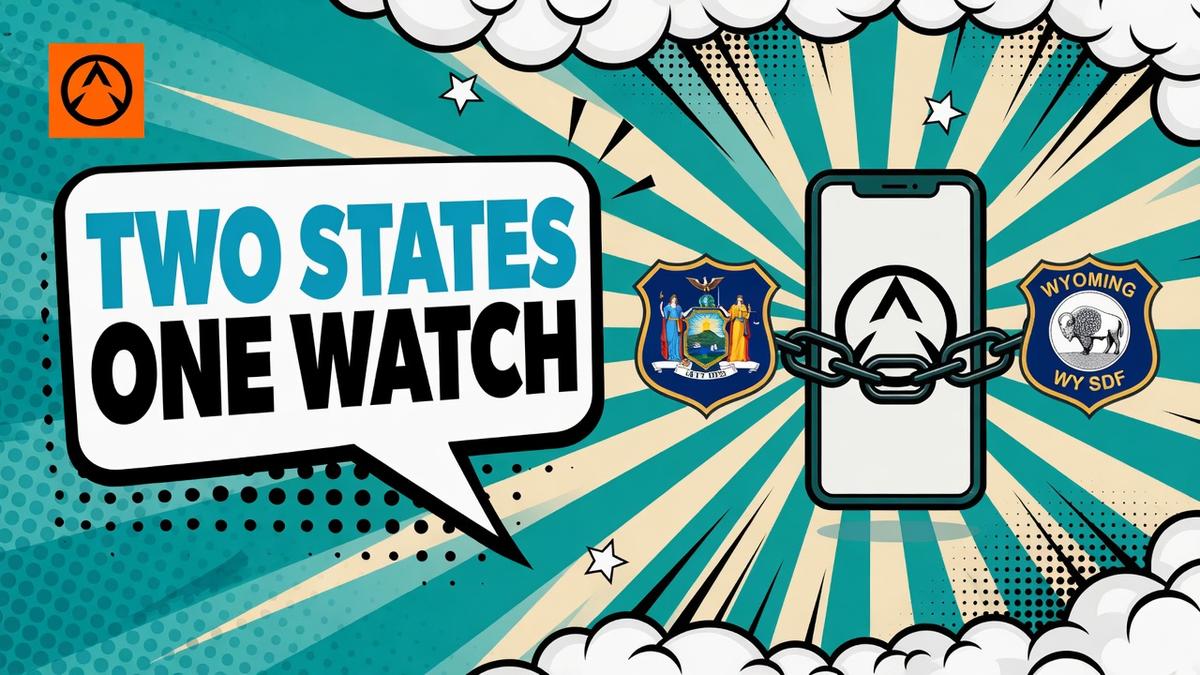
A crypto company with operations in both New York and Wyoming may soon face more than two separate regulatory processes. The states' financial regulators have signed a memorandum of understanding to coordinate oversight across licensing, examinations and potential enforcement.
The agreement announced by the New York State Department of Financial Services on October 1, applies to virtual currency and digital asset entities licensed or chartered in one state while doing business or seeking approval in the other.
A Practical Step for Companies Operating in Both States
The main change is a shared supervisory process. NYDFS and the Wyoming Division of Banking plan to coordinate examination schedules and work toward joint examinations of entities operating in both states.
That matters for a company with two sets of regulators. Instead of handling separate review schedules, the company may be able to deal with examinations that are planned and conducted jointly. The announcement does not describe a full merger of the two licensing systems, but it does create a formal way for the regulators to work together.
The pact covers two groups of businesses:
- Entities already licensed or chartered in one jurisdiction.
- Companies applying for approval in New York and Wyoming at the same time.
Reviews Could Draw on Earlier Work
For licensing applications, the regulators plan to share analysis, subject-matter reviews and historical examination data. A company applying in both states could see work completed in one state inform the other review.
This doesn't mean the second regulator will simply accept the first regulator's decision. The announcement presents the MOU as a way to streamline applications, not remove oversight. But it could reduce some repetition and give both agencies a clearer picture of the same company.
The details behind that process aren't yet clear from the announcement. It doesn't say how much weight each regulator will give the other's work, how disagreements will be handled or whether companies will have to disclose earlier examination results again.
Enforcement Could Become More Coordinated
The MOU also establishes protocols for sharing supervisory reports, market trend data and notifications about potential enforcement actions. Those provisions apply to both supervisory work and enforcement.
In practical terms, a regulatory problem identified in one state may no longer stay within that state's files. The agencies have created a channel for sharing relevant reports and warnings about possible action.
The announcement does not say that investigations or enforcement powers are being combined. The regulators remain responsible for their respective jurisdictions. What's new is the formal process for exchanging information before or during their work.
Two Different Regulators, One Oversight Network
The partnership brings together two distinct state systems. New York introduced its BitLicense framework in 2015, while Wyoming has developed crypto-focused laws and specialized banking charters.
That difference makes coordination useful. A business can approach the same product through separate legal and supervisory structures in each state. The MOU gives the regulators a way to compare notes instead of starting from scratch.
New York Acting Superintendent Kaitlin Asrow described interstate collaboration as a way to add resources and information for each regulator. Wyoming Banking Commissioner Jeremiah Bishop called the agreement an example of state-level regulatory cooperation.
The signed MOU is available through the DFS announcement. Its full legal terms weren't detailed in the release, including whether it is binding or how it can be ended. For crypto companies, though, the direction is already clear: operating across state lines is becoming a coordinated regulatory relationship, not two separate conversations.

Shashwat Gupta
Shashwat Gupta is an entrepreneur, CEO and co-founder of the online media portal, Altcoin Buzz. Shash has been a crypto enthusiast since 2015 and entered the emerging cryptocurrency space full time in early 2017. His business expertise and extensive knowledge in the crypto space have helped shape Altcoin Buzz to be what it is today.
More from ShashwatNext up
Bitcoin Breaks Below 200-Week Average as ETF Outflows and Liquidations Grow
Bitcoin broke below its 200-week moving average near $68,000 on Friday and traded near $66,900 on Saturday, as ETF outflows ran to $1.44 billion.
 BTC
Related
More in Crypto NewsRelated
JPMorgan's Crypto-Linked Holdings Near $1B as Strategy Stake Jumps 36%
BTCCOIN
Bitcoin Wallet Named in $260B Lawsuit Moves 75 BTC After 15 Years
BTC
Why Are Strategy and Metaplanet Leaving MSCI Indexes on Nov. 30?
KAVA Crashes 40% After Suspicious Activity in Kava Lend
 KAVA