North Korea Moves $247M From Binance Hack Into Bitcoin Coinjoins
Elliptic says North Korea has pushed at least 3,930 BTC, about $247 million, from the $6.43 billion Binance theft through bitcoin coinjoins since November 1.

By Bikash DekaAuthor
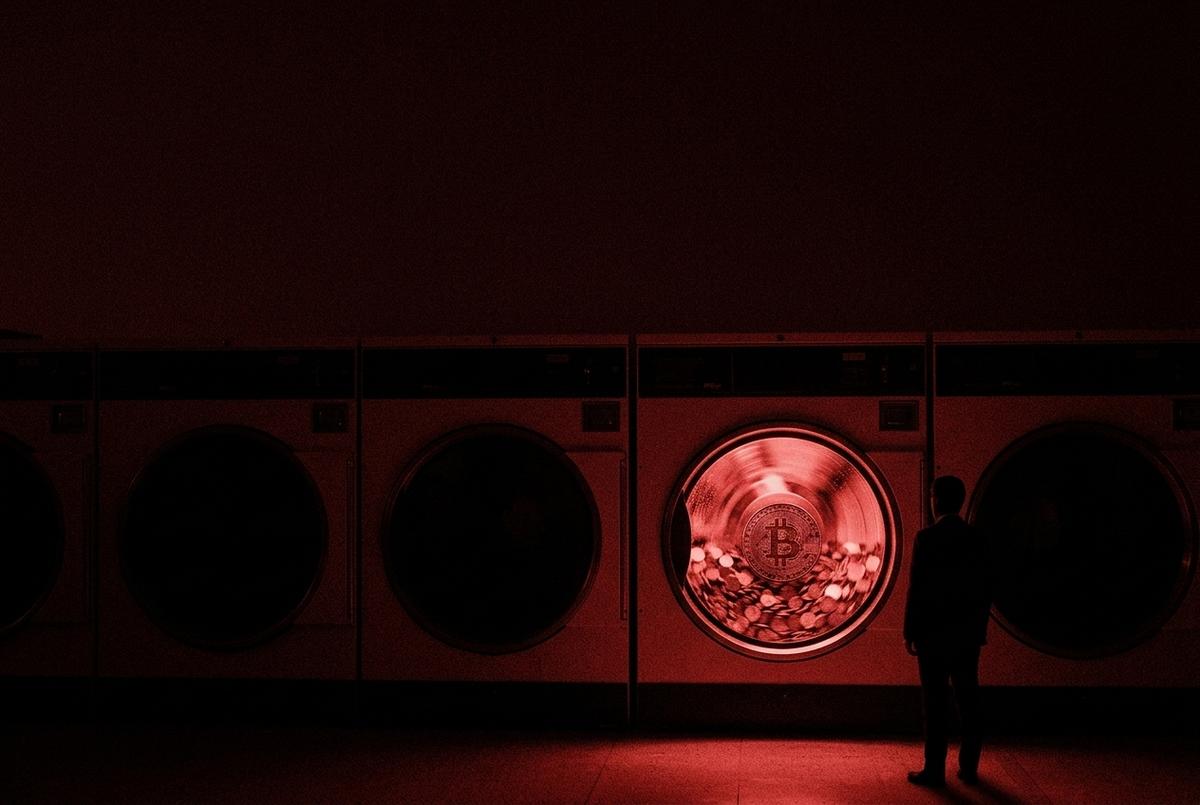
North Korea has pushed at least 3,930 bitcoin, about $247 million, from the October 29 Binance theft through bitcoin coinjoins, Elliptic said. Almost all of that mixing was coordinated by a single known individual: the operator of Kruw, the most widely used coinjoin service for Wasabi Wallet users.
The theft itself took $6.43 billion in cryptoassets from Binance across 11 blockchains on October 29. Binance has called it a multi-stage campaign rather than a single breach.
- The news: Elliptic says the group behind the Binance theft has run at least 3,930 BTC through bitcoin coinjoins, a mixing method that breaks the trail between stolen coins and where they came from.
- The figure: most of that 3,930 BTC, worth about $247 million, has moved since November 17, the day the attacker emptied five of the nine largest Ethereum addresses tied to the haul.
- What happens next: Elliptic expects the remaining funds to be swapped into bitcoin, mixed and eventually cashed out through over-the-counter brokers over the coming months, the stage at which they can still be intercepted.
One Coordinator Handled Nearly All of the Mixing
A coinjoin pulls coins from many users into a single transaction so the outputs are hard to link back to their source. Elliptic says the Kruw coordinator handled almost all of the bitcoin that passed through this step, and that most of it has moved since November 17.
Elliptic co-founder Tom Robinson said the operator of Kruw “refuses to block funds such as these,” which is why the firm expects the laundering to continue.
Freezing has already claimed a bigger share of this haul than usual, and the tally has climbed steadily since the theft. About 44% of the $6.43 billion has been frozen, against roughly 3% after the Bybit hack. Most of that was possible because $3.46 billion of the haul, 54%, was held in stablecoins such as USDT and USDC, which the companies that issue them can freeze.
The Ethereum Moved, the 18,270 BTC Has Not
On November 17 the attacker emptied five of the nine largest Ethereum addresses linked to the theft, the first movement in the main ETH holdings since October 30. About 488,000 ETH, worth roughly $840 million, left the wallets in fresh batches.
Only about 58,000 ETH, around $100 million, has been swapped for bitcoin so far. Almost all of the stolen XRP, TRX and SOL, about $510 million in total, has already been converted, mostly into bitcoin.
The 18,270 BTC taken directly from Binance is a different story. It has not moved since it was split into 19 addresses on the night of the theft.
Why This Is Slower Than Bybit
After the $1.5 billion Bybit hack in February 2025, North Korea laundered all 499,000 stolen ETH within ten days, mostly by swapping it for bitcoin. Cashing out still took months after that.
This time the ether is leaving in stages, and the coinjoin step has only just picked up pace. Elliptic expects the funds to be converted to bitcoin, mixed and then cashed out through over-the-counter brokers over a period of months.
What Still Has to Happen
About $2.22 billion of the stolen money remains in addresses linked to the theft, mostly ether and bitcoin. That is the pile the launderers still have to move, and every step is a point where an exchange, bridge or issuer can still step in.
Elliptic also traced about $16 million to addresses that already hold proceeds from the September 2026 Bitget exploit, which the firm believes was the work of the North Korean group TraderTraitor.
The money that is left sits mostly as ether and bitcoin, which no company can freeze. That leaves exchanges, cross-chain bridges and over-the-counter brokers as the last points at which the funds can still be intercepted.

Bikash Deka
Bikash Deka is a crypto and Web3 analyst and writer focused on making blockchain, cryptocurrency, and digital asset developments easier to understand. His work covers crypto markets, emerging blockchain projects, industry trends, and major developments across the digital asset ecosystem. With a background in Technology and Web3, Bikash combines analytical research with clear, beginner-friendly writing. He follows market movements, evaluates industry developments, and turns complex crypto topics into accessible insights for readers. At Altcoin Buzz, Bikash contributes research driven news and educational content designed to help readers better understand what is happening in the fast-moving world of cryptocurrency and blockchain.
More from BikashNext up

What Happened in Crypto Today, 22 November 2026?
Chainflip's 10% bounty offer expires on 23 November, three XRPL amendments sit below 80% support, and Cardano DReps rejected a 9,600,000 ADA police plan.
 BTC
 ETH
Related
More in Crypto NewsRelated
Chainflip, XMR1 and Fluidkey Hit in a Week of Crypto Exploits
 XMRBTC
Bitcoin Is Back Above $60,000: Why Is Crypto Up Today?
BTCETH
Chainflip Offers 10% Bounty After 122.86 BTC Vault Hack
BTCETH
Why Did Bitcoin ETFs Lose $1.79 Billion Last Week?
BTCETH