Brooklyn man sentenced to 12 years for $16M Coinbase phishing scheme
Ronald Spektor, 23, was sentenced to up to 12 years for stealing nearly $16M from almost 100 Coinbase users in a year-long phishing and social engineering

By Saloni RathiSenior Editor
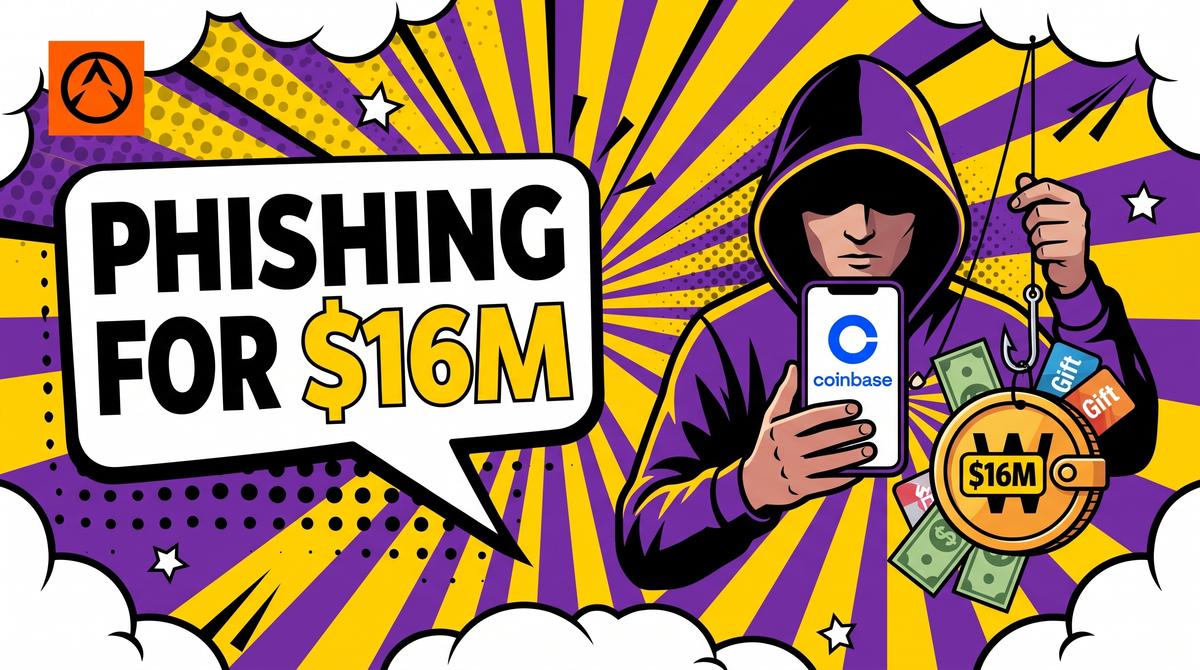
A Brooklyn man was sentenced on Wednesday to up to 12 years in prison for stealing nearly $16 million from almost 100 Coinbase users through a phishing and social engineering scheme.
Ronald Spektor, 23, ran the scheme for over a year. He contacted victims, told them their accounts had been hacked, and walked them into transferring their own crypto into wallets he controlled, New York District Attorney Eric Gonzalez said in announcing the sentence.
For you, if you keep any of your portfolio on Coinbase, the case is worth a minute of attention, because Spektor did not break into the exchange. He broke into the people using it.
How the scheme worked
Spektor's targets were individual Coinbase customers. The script was social, not technical: convince the victim the account had been compromised, then talk them through moving funds to a "safer" wallet that Spektor actually controlled. Over more than a year, that script pulled in nearly $16 million from almost 100 people.
Once he had the funds, the laundering chain was layered. Spektor swapped the assets across multiple crypto exchanges, consolidated them at "cash-out points", converted them into other cryptocurrencies, placed bets, and finally converted them into cash used to buy gift cards or additional digital assets, the DA's office said. Every leg is traceable on chain, but the entry point was a phone call.
What Spektor gives up
Alongside the prison term, Spektor was ordered to pay nearly $16 million in restitution and to forfeit more than $500,000 in cash, cryptocurrency and personal property. The forfeiture is the easier piece to enforce. Whether the restitution actually reaches the victims is the part they will be watching.
A wider pattern, not a one-off
The Spektor sentencing lands inside a year that has been unusually heavy on social engineering. WhiteBIT data shows nearly 41% of all crypto security incidents in 2025 involved fraudsters deceiving victims, and that the share has continued to grow in 2026. A separate Chainalysis report noted that criminals are increasingly targeting individuals rather than infrastructure.
This month, a 22-year-old Singaporean pleaded guilty to running a criminal network that netted $245 million, mostly from social engineering scams. Two cases, two continents, the same shape: contact the person, convince them they have been hacked, take the money.
What the DA wants you to take away
Gonzalez used the announcement to push a short list of rules that apply to anyone holding crypto on any exchange, not just Coinbase. Coinbase, he said, and most other companies, will never call customers or ask them to transfer crypto to a "safe wallet". Caller ID, sender names and lookalike domains can all be spoofed. And the most important one: do not move money in a rush.
If a call, a text or a pop-up is pushing you to act right now, that pressure is the scam.

Saloni Rathi
Saloni Rathi has been part of Altcoin Buzz for over five years, working across content and marketing within the crypto and Web3 space. Her work focuses on creating clear, engaging and accessible content that helps readers understand complex cryptocurrency and blockchain topics. With a strong interest in storytelling and audience engagement, Saloni brings together research, creativity and marketing insight to turn complex ideas into simple and relatable stories. She believes great content starts with curiosity, creates clarity, and ultimately builds meaningful connections with readers.
More from SaloniNext up
Midnight Activates Ledger 9 on Cardano Mainnet, Bringing New Privacy and Smart Contract Features
Midnight Network has activated Ledger 9 on mainnet, introducing new cryptographic standards, contract-to-contract execution and infrastructure designed to support private blockchain applications.
 NIGHT
 ADA
Related
More in Crypto NewsRelated
Why Did Zcash Fall Below $1,000 for the First Time Since September?
 ZEC
 UNI
Top Trending Cryptocurrencies Today: Bitway and Gram Lead
 BTW GRAM

Forward Industries Expands Solana Treasury to 8.7 Million SOL as Per-Share Growth Slows
 SOL

Hyperliquid Generates $68.9 Million in 30-Day Revenue as HYPE Buybacks Continue
 HYPE