


BVIV perpetuals debut on Hyperliquid with 5x USDC leverage
Volmex BVIV perpetuals debuted on Hyperliquid Monday with USDC, 5x leverage. Fee schedule, day-one volume and Deribit comparison not disclosed.
 BTC
BTC HYPE+1 more
Volmex BVIV perpetuals debuted on Hyperliquid Monday with USDC, 5x leverage. Fee schedule, day-one volume and Deribit comparison not disclosed.
BTCHYPE+1 more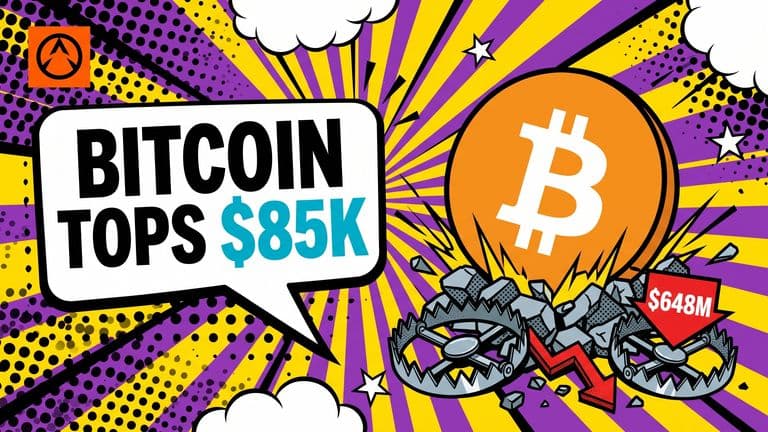
Bitcoin cleared $85,000 on Sept. 21, hitting $85,248 before easing to $84,545. CoinGlass tracked $648M in short liquidations over 24 hours.
BTC ETH
ETH
Strategy bought 950 Bitcoin for $75.7 million, bringing its holdings back to 846,000 BTC while spending another $174 million on STRC preferred-stock buybacks.
BTC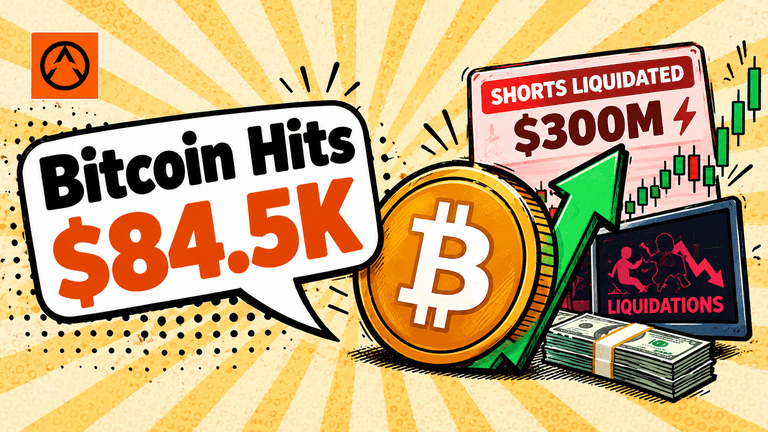
Bitcoin price surged toward $85,000 as more than $300 million in crypto short positions were liquidated in one hour, accelerating the market recovery.
BTC
NEAR climbed 23% to above $4 as daily ZEC swap volume on NEAR Intents jumped sixfold in a week, while Bitcoin held just above $81,000, per CoinDesk data.
 NEAR
NEAR ZEC+1 more
Bitcoin options now carry more open interest than futures for the first time, while offshore dated futures volume sits 97% below its 2021 high, per Glassnode
BTCETH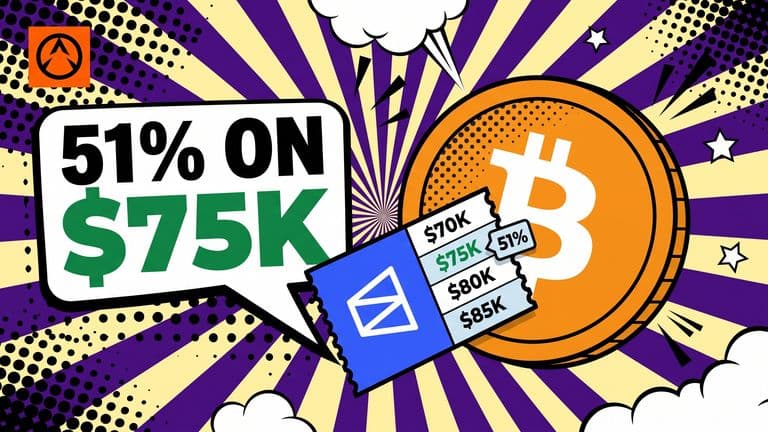
Polymarket bettors price a 51% chance Bitcoin falls to $75,000 in September, with 70% odds of $80,000 and 18% of $85,000. Deribit's 25-delta put skew sat 1.44pp above calls, with DVOL near 38.9%.
BTC
Eric Balchunas says Bitcoin ETFs could eventually hold three times the assets of gold ETFs. Scenario math shows what $1.85 trillion in ETF assets could mean for BTC.
BTC
Bitcoin Core 32 adds parallel validation reads and a mempool-based fee estimator. Draft release notes also flag mining compatibility changes, wallet updates and server limits.
BTC
U.S. spot Bitcoin ETFs lost $450.4 million on September 15, marking their largest daily outflow since June as Bitcoin fell and the CLARITY Act stalled.
BTC
Bitcoin climbed after the Federal Reserve raised rates to 3.75% - 4.00%, as traders looked past an expected hike and focused on future Fed policy and crypto regulation.
BTC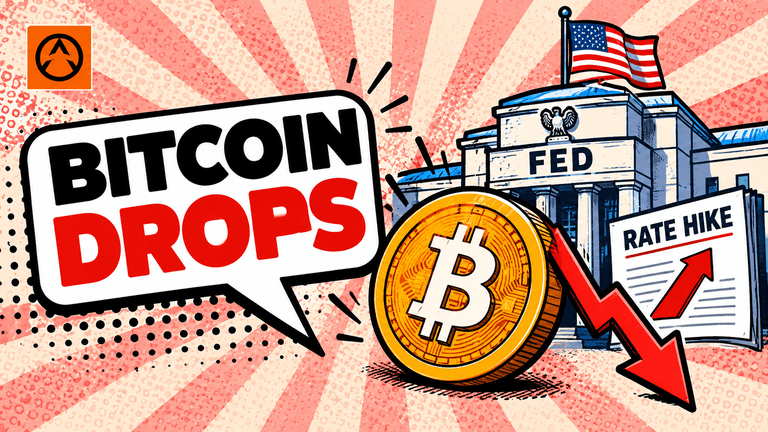
Bitcoin fell to $75,242 after the Federal Reserve raised rates by 25 basis points, while another 2026 hike and the failed CLARITY Act vote add pressure to crypto markets.
BTC
Bitcoin, Ethereum and XRP fell sharply after the CLARITY Act failed to clear a key Senate procedural vote, triggering $669.71 million in crypto liquidations.
BTCETH+1 more
Public crypto treasury companies continued buying Bitcoin, Ethereum, and Solana through a volatile September, while Strategy paused Bitcoin purchases ahead of the Federal Reserve's rate decision.
BTCETH+1 more
Bitcoin is holding near $77,000 as the Senate prepares to vote on the CLARITY Act while surging oil prices and Treasury yields create fresh pressure for risk assets.
BTC
U.S. spot Bitcoin ETFs recorded $462.7 million in weekly outflows, while Ether ETFs attracted nearly $197 million as institutional demand shifted between the two assets.
BTCETH
Coinbase CEO Brian Armstrong believes Bitcoin can reach $400,000 by 2030, but weakening ETF flows and neutral spot demand remain key challenges.
BTC
Bitcoin ETFs recorded $282.6 million in outflows for a third straight session, while XRP funds continued attracting capital as institutional demand becomes more selective.
BTC XRP
XRP
August CPI matched expectations at 3.4%, but hotter monthly core inflation strengthened expectations for a Fed rate hike and added pressure to Bitcoin below $80,000.
BTC
Bitcoin, Ethereum, XRP and Shiba Inu are losing short-term momentum and testing key support levels as traders await fresh U.S. inflation data.
BTCETH+2 more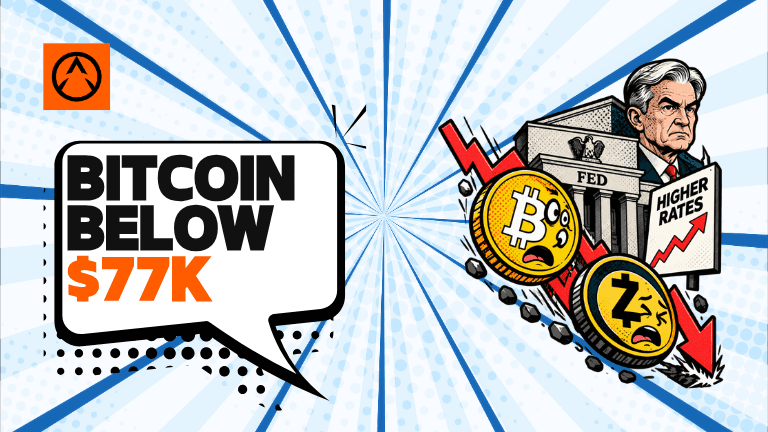
Bitcoin fell below $77,000 as Zcash plunged 12% and traders raised Fed rate-hike bets. Rising Treasury yields, oil prices and Friday's CPI now threaten BTC's recovery.
BTCZEC
Dogecoin dropped more than 5% as Bitcoin held near $78,000, with rising oil prices and Treasury yields increasing pressure on crypto markets ahead of U.S. CPI data.
BTC DOGE
DOGE
Bitcoin slipped toward $77,000 after August PPI pushed September Fed rate-hike odds to 74%. Here's how inflation, Treasury yields and Friday's CPI could impact BTC.
BTC
Bitcoin processed 893,391 transactions on September 6, making it the fourth-busiest day in the network's history. Here's what is driving the surge.
BTC